
| Basic Research | https://doi.org/10.21041/ra.v15i2.815 |
Reduction of the risk of the corrosion of seawater mixed cement-based materials
Reducción del riesgo de corrosión de materiales a base de cemento mezclados con agua de mar
Redução do risco de corrosão de materiais à base de cimento misturados com água do mar
O. G. Aydoğan1* , S. S. Benam2, N. Özyurt3
1 M. Sc., Research Assistant, Civil Engineering Department, Boğaziçi University, Turkey.
2 M. Sc., Research Assistant, Civil Engineering Department, Özyeğin University, Turkey.
3 Prof., Civil Engineering Department, Boğaziçi University, Turkey.
*Contact author: olcay.aydogan@bogazici.edu.tr
Received: 02/12/2024
Revised: 18/03/2025
Accepted: 29/04/2025
Published: 01/05/2025
| Cite as: Aydoðan, O. G., Benam, S. S., Özyurt, N. (2025), “Reduction of the risk of the corrosion of seawater mixed cement-based materials”, Revista ALCONPAT, 15 (2), pp. 157 – 174, DOI: https://doi.org/10.21041/ra.v15i2.815 |
Abstract
The objective of this study is to reduce the amount of free chloride that causes corrosion by employing different binders and to attain the free chloride level permitted by the relevant standards. The chloride content was determined by the X-ray fluorescence method. It was observed that the chloride binding capacity increased when the CaO/Al₂O₃ ratio decreased up to 4-6. On the other hand, it was determined that the chloride binding capacity decreased slightly when the CaCO3/Al₂O₃ ratio increased from 0 to 0.3-0.5, though no significant effect was observed after 0.5. The majority of binders demonstrated results below the maximum chloride level determined by the standards, which is a great opportunity to use seawater as mixing water for reinforced concrete.
Keywords: seawater; chloride binding; free chloride; CaO/Al₂O₃; and CaCO3/Al₂O₃.
1. INTRODUCTION
Water use on a global scale has increased 6 times in the last century because of industrial development, rapid population growth, socio-economic developments, and the increase in unconscious consumption, and it continues to increase by 1% every year (UNESCO 2020). One of the industries where water is used extensively is the construction industry. In addition to cleaning, curing, and general use, a significant amount of water is consumed in concrete production. It is reported that 1.66*1010 m3 of fresh water, which equals 18% of global yearly use by industry, is yearly utilized for the production of concrete (Miller, Horvath, and Monteiro 2018). Global water scarcity and huge consumption of fresh water for concrete production have forced scientists to seek alternative mix waters. One of the alternatives is thought to be seawater. The first studies came out in the 1970s, and a few articles were published yearly related to seawater mixed concrete until the 2010s (Nishida et al. 2015); however, as a result of the rapid increase in global water scarcity and concrete production, the interest in the subject has increased dramatically and hundreds of studies have been published in recent years (Ebead et al. 2022). The changes in the fresh state properties, mechanical strength, and microstructure of concrete caused by the use of seawater as the mix water have been studied in many articles and are relatively well understood. It is stated in the studies, the use of seawater as the mix water reduces the workability of the concrete and increases the early strength by accelerating the hydration reactions; however, minor effects are observed at later ages (Aydoğan, Akca, et al. 2024; Ebead et al. 2022; Etxeberria and Gonzalez-Corominas 2018; Khatibmasjedi et al. 2020; Lim et al. 2015; Mohammed, Hamada, and Yamaji 2004; Younis et al. 2018). As a result of these findings, seawater is thought to be a good alternative as the mix water for plain concrete (Aydoğan, Akca, et al. 2024; Ebead et al. 2022). However, the use of seawater as the mix water is not suggested, even prohibited in the related standard (EN 1008), for reinforced concrete. The high chloride concentration increases the risk of the steel reinforcement. When the chloride ions accumulated on the surface of the reinforcement exceed the critical chloride content (Ccrit), which can be described as critical free chloride content, corrosion of the reinforcement begins, the strength of the reinforcement is reduced with the formation of corrosion, the expansion of the area between the concrete and the reinforcement reduces adhesion, and the structure of the reinforced concrete element is deteriorated with cracking of the concrete (Angst et al. 2009; Neville 2011). The main method used to prevent corrosion by external chloride ingress is to decrease chloride diffusion by reducing the permeability of the concrete. However, with the use of seawater as the mix water, chloride ions are already penetrating the concrete. Another method that increases the durability of concrete against chloride ions in the case of external attacks is to bind the free chloride ions inside the concrete.
Chloride ions can be found in concrete in two forms; which are free chloride and bound chloride. Only the free chloride leads to corrosion (Angst et al. 2009; Rilem TC 178 2002; Zhao et al. 2021). Therefore, reducing the free chloride content and encouraging the bound chloride content can be a promising method to mitigate the corrosion risk caused by chloride (Martin-Perez et al. 2000; Wang et al. 2020). Free chlorides can be bound chemically or physically (Homayoonmehr et al. 2022; Zhao et al. 2021). The chloride ions can be physically adsorbed by the surface of C-S-H, which is called physically bound chloride (Homayoonmehr et al. 2022; Hu et al. 2018). In addition, alumina components of the binders and some hydration products (mostly AFm phases) can react with chloride ions to form Friedel’s salt (Homayoonmehr et al. 2022; Li, Farzadnia, and Shi 2018; Wang et al. 2020; Zhao et al. 2021). As a result, the free chloride ions are chemically bound in Friedel’s salt. The possible chemical reactions for Friedel’s salt formation are as follows (Li et al. 2018):
| (1) |
| (2) |
| (3) |
As can be seen from (1) and (2), the presence of monosulfoaluminate (C3A∙CaSO4∙14H2O) and monocarboaluminate (C3A∙CaCO3∙10H2O) encourage Friedel’s salt formation (Florea and Brouwers 2012; Guo et al. 2019; Homayoonmehr et al. 2022; Wang et al. 2020). In addition, more alumina content in the binders can increase chloride binding capacity as in (3) (Cheng et al. 2018; Li et al. 2018; Shi et al. 2015; Thomas et al. 2012). On the other hand, while the aluminum content is important for the chloride binding and Friedel’s salt formation, it was stated that the CaO/Al2O3 ratio is a more predominant parameter (Gbozee et al. 2018; Wang et al. 2019). The optimum CaO/Al2O3 ratio was found to be in the range from 3 to 7 for maximizing the chloride binding in the case of the external chloride attack (Homayoonmehr et al. 2022; Wang et al. 2019). Therefore, adjusting the alumina content of the binders in the range and/or increasing AFm phases (as hydration products) can permit using seawater as the mix water in reinforced concrete for structural purposes. The following mixtures were the subject of this study:
Replacement of metakaolin in Portland cement: Cement production is responsible for 5-7% of global CO2 emissions due to the clinkerization process and the use of fossil fuels (He et al. 2019; Worrell et al. 2001). One of the best solutions to reduce the contribution of cement production to global CO2 emission is decreasing clinker content in the binder by using mineral additives (Worrell et al. 2001). Metakaolin is the most used supplementary cementitious material (SCM) together with seawater due to its higher alumina content. Lower porosity and higher mechanical properties were reported for the concrete cast using metakaolin due to the filler effect and pozzolanic activity of material (Li et al. 2015). Researchers stated that the use of metakaolin as SCM increased the chloride binding capacity and Friedel’s salt formation (Li et al. 2015; Shi et al. 2015; Wang et al. 2020). Studies have generally focused on low amounts (<10%) of metakaolin in a concrete cast using seawater. Within the scope of this study, cement-based materials will be produced together with seawater cast using 5%, 10 %, 15%, and 20% of metakaolin replacement.
Metakaolin and limestone blended cement: One of the most used mineral additives is limestone due to its lower cost, high availability, and lower environmental effect. In fact, some CEM II cements, which are standard cements, contain up to 35% limestone (Lothenbach et al. 2008). While some studies showed that the compressive strength is unaffected by limestone addition up to 15% replacement (Dhir et al. 2007; Livesey 1991), some researchers stated that compressive strength reduces gradually after 5-10% substitution level (Lollini, Redaelli, and Bertolini 2014; Lothenbach et al. 2008). Studies also showed that limestone addition increases the chloride penetration (Bentz 2006; Ghrici, Kenai, and Said-Mansour 2007), however, it can improve the formation of the carboaluminate phase (Chen et al. 2023), which can bind chloride (as in (2)), when it is used together with alumina-rich mineral additives. Therefore, increasing carboaluminate phase by using metakaolin and limestone in the Portland cement system can be a promising, environmental, and economical method to mitigate the corrosion caused by chloride in seawater-mixed cementitious materials. Within the scope of this study, cement-based materials will be produced together with seawater by using 5%, 10%, and 15% limestone replacement together with %15 metakaolin addition.
Replacement of red mud in Portland cement: Red mud is a waste material from aluminum production. Approximately 1-1.5 tons of red mud is obtained as waste from each ton of aluminum production (Evans 2016; Wang et al. 2018). Due to its high alkaline content, heavy metals, and dangerous chemicals, red mud causes serious damage to the natural life in the area where it is stored and threatens vitality by mixing with the groundwater (Xue et al. 2016). However, only 4% of the red mud has been used in various industries. It is believed that the use of red mud as a mineral additive together with Portland cement will make much more serious contributions to the consumption of red mud on a global scale compared to other uses (Zhang et al. 2021). However, unlike the known mineral additives, red mud contains very low SiO2. In the studies, although untreated red mud was not considered as a pozzolan because it does not meet some requirements, it was reported that it could cause secondary (pozzolanic) reactions (Díaz et al. 2015; Ribeiro, João António Labrincha, and Morelli 2011). Moreover, the filler effect of red mud was highlighted (Ribeiro, João António Labrincha, et al. 2011). Additionally, it was stated that red mud mitigated the corrosion caused by external chloride attack by the formation of Friedel’s salt (Ribeiro, João Antonio Labrincha, and Morelli 2011; Ribeiro, João António Labrincha, et al. 2011). Therefore, red mud addition can be a good alternative to eliminate the corrosion effect of seawater-mixed cement-based materials. Within the scope of this study, cement-based materials will be produced together with seawater by using 5%, 10 %, 15%, and 20% of red mud replacement.
Use of calcium aluminate cement (CAC) and replacement of limestone in the CAC system: CAC is quite different from Portland cement in terms of the phases it contains. While the main components of Portland cement are C3S and C2S, CAC contains a high amount of CA (CaAl2O4) (40-70%) (Kim, Son, and Lee 2021). Due to the different compositions, the products formed as a result of CAC hydration are also quite different. The hydration products at room temperature are CAH10, C2AH8, and AH3 (Bizzozero 2014; Lapeyre et al. 2022). CAH10 and C2AH8 are metastable phases. For this reason, they transform into the C3AH6 phase by time and/or high temperature. As a result of these transformations, the porosity of the concrete increases and strength decreases (Neville 2011). On the other hand, it was reported that limestone addition prevents the phase transformations by reacting with CA to form CO3-AFm and consequently stabilize the strength in the long term (Kim et al. 2021; Luz and Pandolfelli 2012).
It was reported that the corrosion resistance and chloride binding properties of concrete produced with CAC are better than those produced with Portland cement (Ann et al. 2010; Li et al. 2017). In addition, the CO3-AFm (monocarboaluminate) phase, which is a hydration product when limestone is added to the CAC system, can bind chloride ions by forming Friedel’s salt. Thus, it is possible to bind chloride ions without negatively affecting the mechanical properties. In addition, since the limestone additive reduces the cement ratio, it reduces the cost and contributes to sustainability by reducing CO2 emissions. Within the scope of this study, CAC-based materials will be produced together with seawater by using 0%, 10%, and 20% of limestone replacement.
2. MATERIALS AND METHODS
The chemical compositions of cements and mineral additives are given in Table 1.
Table 1. Chemical Compositions of the Binders (wt.%)
| Oxides | Portland Cement | Metakaolin | Red Mud | Limestone | Alumina Cement |
| Al2O3 | 3.9 | 43.4 | 19.3 | 0.8 | 38.0 |
| CaO | 67.0 | 0.3 | 1.7 | 95.2 | 35.9 |
| SiO2 | 16.4 | 51.4 | 15.6 | 1.8 | 3.8 |
| Fe2O3 | 3.6 | 1.2 | 45.3 | 0.4 | 18.6 |
| SO3 | 4.5 | 0.0 | 0.2 | 0.0 | 0.0 |
It is acknowledged that the mineralogical properties and salinities of the world's seas/oceans exhibit considerable regional variation. Upon analysis of the reports, it was determined that the average chloride concentration of the world's seas is around 20 g/L (P. Li et al., 2021). Consequently, the seawater obtained from the Black Sea (Cl-: 10 g/L) was evaporated to obtain the desired seawater, which was then utilized in the mixtures. The constituents of the seawater and freshwater employed in the mixtures are illustrated in Table 2.
Table 2. Constituents of Mix Waters (mg/L)
| Compounds | Fresh Water | Seawater |
| Cl- | 39 | 19712 |
| Na+ | 13 | 10205 |
| K+ | 2 | 409 |
| Ca+ | 54 | 402 |
| Mg+ | 6 | 1225 |
| SO4-2 | 26 | 2743 |
| CaCO3 | 162 | 6125 |
The water-to-binder ratio of the mixtures was determined to be 0.45. Initially, the binders were combined in a mixer for one minute in the dry state. Subsequently, manual mixing was conducted for a minute, after which the mixture was mixed again in the mixer for an additional one minute. Therefore, a homogeneous binder was obtained. Cement pastes were produced following the specifications of ASTM C305. In the sample codes, the letters FW and SW indicate the type of mix water, while PC and CAC show the main binder. The letters MK, RM, and LS indicate the mineral admixture and the numbers following these codes illustrate the mineral admixture replacement rate by mass percent. After demolding, the samples were cured at 20oC and 95% RH in the climate chamber until the 28th day.
The principal objective of this study was to enhance the chloride binding capacity of cement-based materials compared to neat Portland cement systems to minimize the corrosion effect of seawater used as mix water. Therefore, identifying free and bound chloride contents was crucial. For this purpose, samples were extracted from the surface of the cement pastes and pulverized. Five grams of powdered samples that passed through a 250-micron sieve were subjected to X-ray fluorescence (XRF) analysis on the 28th day, thereby obtaining the elements and oxides present. The quantity of chloride obtained in this manner represented the total amount of chloride present in the samples. The RILEM recommendation (Rilem TC 178, 2002) was followed to separate free chloride from the sample. Accordingly, 5 grams of XRF analyzed sample was poured into 50 ml water and mixed with a magnetic stirrer for three minutes. Subsequently, the powder sample was separated using filter paper. By this method, the free chloride in the sample was completely removed. Then, the filtered powder was kept in an oven at 36oC for two days. Later, XRF analysis was repeated on the desiccated sample to determine the quantity of bound chloride. Only the samples produced with seawater were subjected to XRF. For this experiment, one specimen per mixture was tested.
To examine the impact of the mix water and binders on the mechanical performance, compressive strength tests were conducted on the 28th day per the ASTM C109. Three specimens were tested, and the mean values were calculated for each mixture. The specimen details for the experimental program are given in Table 3.
Table 3. Details of Specimens Related to Experiments
| Experiments | Number of specimens tested for each mix | Type of specimen | One Dimension of Specimen (mm) |
| XRF | 1 | Cube (then pulverized) | 50 |
| Compressive Strength | 3 | Cube | 50 |
3. RESULTS & DISCUSSIONS
3.1 Chloride Binding
Replacement of metakaolin in Portland cement: Oxide compositions for the metakaolin system are given in Table 4. In this table, ‘Before’ represents the XRF results of the powder sample before placing it in water, and ‘After’ shows the XRF results of the sample placed in water and then dried. As the metakaolin substitution rate increased, there was a corresponding decrease in the CaO and an increase in the SiO2. Metakaolin as a reactive pozzolan contains low CaO and high SiO₂, as evidenced by the data presented in Table 1.
Table 4. Oxide Compositions for the Metakaolin System (wt.%)
| Sample Code | Cl- | Al2O3 | CaO | SiO2 | ||||
| Before | After | Before | After | Before | After | Before | After | |
| PC | 0.8 | 0.4 | 3.2 | 3.3 | 68.4 | 69.3 | 15.8 | 16.2 |
| MK5 | 0.8 | 0.5 | 5.1 | 5.1 | 65.2 | 66.9 | 17.7 | 17.1 |
| MK10 | 0.8 | 0.6 | 7.0 | 7.1 | 62.2 | 63.7 | 19.1 | 18.5 |
| MK15 | 0.8 | 0.7 | 8.9 | 8.4 | 58.8 | 62.0 | 20.8 | 18.9 |
| MK20 | 0.8 | 0.7 | 10.5 | 10.0 | 56.1 | 58.2 | 22.2 | 21.3 |
Figure 1 illustrates the chloride binding percentage (bound chloride/total chloride) for metakaolin-added composites. The chloride binding capacity of the neat Portland cement composite was found to be 49%. However, this value increased gradually with the addition of metakaolin, reaching a maximum of 86%, which was approximately 1.8 times that of neat Portland cement. This was attributed to the high reactive alumina content of metakaolin. As evidence, the results showed that the Al2O3 content increased from 3.2% to 10.5%. EN 206 allows up to 0.4% chloride content by mass of binder for reinforced concrete. Figure 2 illustrates the ratio of free chloride to the mass of binder present in the samples. Here, free chloride content was taken into account, because it leads to chloride-based corrosion, as mentioned in the introduction. It could be seen that the Portland cement composite, in the absence of any additives, exhibited a value that was significantly more than the specified limit. In contrast, MK5 displayed a value that was approximately aligned with the aforementioned limit, while MK10, MK15, and MK20 demonstrated values that were below the specified limit.
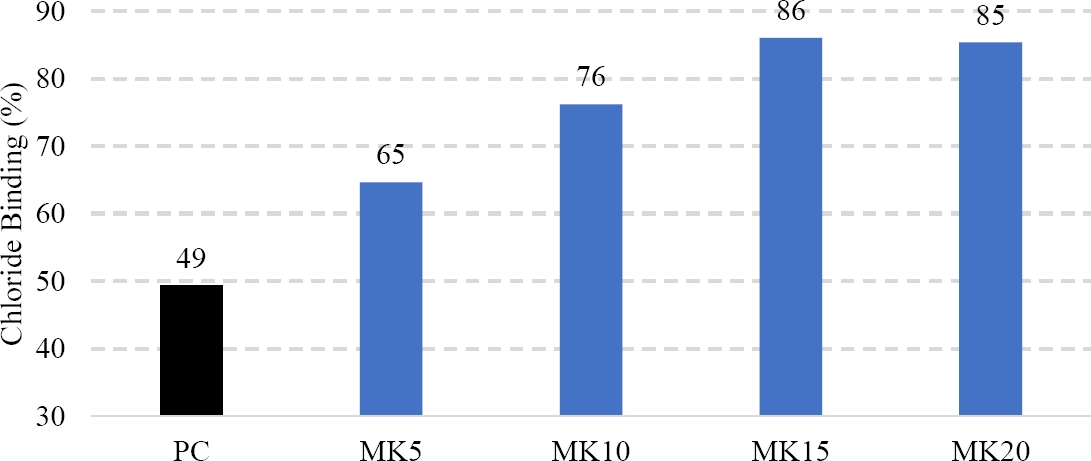
Figure 1. Chloride Binding for the Metakaolin System (%)
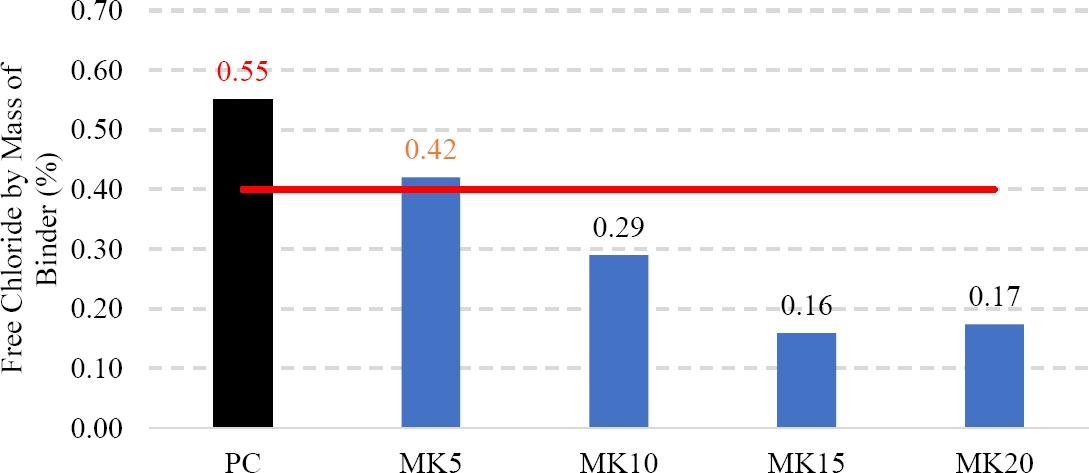
Figure 2. Free Chloride Percent by Mass of Binder for the Metakaolin System
Metakaolin and limestone blended cement: Oxide compositions for the metakaolin-limestone system are given in Table 5. The ratios of CaO, SiO2, and Al2O3 were observed to change in response to the addition of metakaolin. Nevertheless, limestone substitution had no impact on these ratios.
Table 5. Oxide Compositions for the Metakaolin-Limestone System (wt.%)
| Sample Code | Cl- | Al2O3 | CaO | SiO2 | ||||
| Before | After | Before | After | Before | After | Before | After | |
| PC | 0.8 | 0.4 | 3.2 | 3.3 | 68.4 | 69.3 | 15.8 | 16.2 |
| MK15 LS0 | 0.8 | 0.7 | 8.9 | 8.4 | 58.8 | 62.0 | 20.8 | 18.9 |
| MK15 LS5 | 0.9 | 0.7 | 8.9 | 8.6 | 59.1 | 61.8 | 20.7 | 19.3 |
| MK15 LS10 | 0.9 | 0.7 | 9.1 | 8.4 | 59.0 | 62.9 | 20.8 | 18.5 |
| MK15 LS15 | 1.0 | 0.8 | 9.1 | 8.7 | 59.1 | 63.1 | 20.6 | 18.4 |
As illustrated in Figure 3, the limestone additive exhibited a slight reduction in chloride binding capacity relative to MK15. Nevertheless, when limestone was used, the average chloride binding capacity was 79%, which was still 1.6 times that of neat Portland cement. In addition, the substitution level of limestone did not show a significant effect on the chloride binding capacity. On the other hand, it was determined that as the quantity of limestone additive increased, higher free chloride was detected. However, the free chloride content of all batches in the MK LS system was found to be lower than the threshold value.
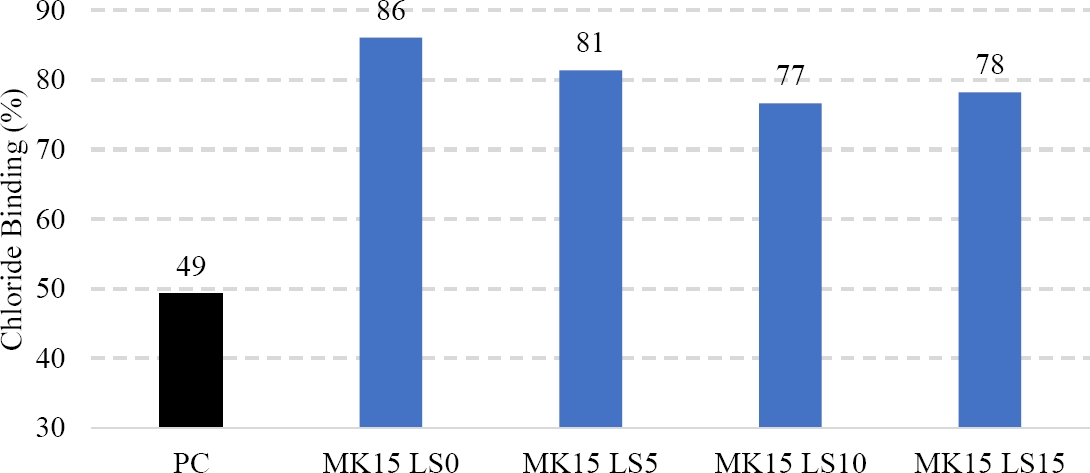
Figure 3. Chloride Binding for the Metakaolin-Limestone System (%)
Replacement of red mud in Portland cement: As illustrated in Table 6, while the SiO2 content was not affected, the CaO decreased with the utilization of red mud. Although red mud does not fully fulfill the requirements for classification as a pozzolanic material due to low CaO and SiO₂ content, it was reported that red mud caused secondary reactions (Díaz et al., 2015; Ribeiro et al., 2011b). On the other hand, the Al2O3 content increased with the utilization of red mud.
Table 6. Oxide Compositions for the Red Mud System (wt.%)
| Sample Code | Cl- | Al2O3 | CaO | SiO2 | ||||
| Before | After | Before | After | Before | After | Before | After | |
| PC | 0.8 | 0.4 | 3.2 | 3.3 | 68.4 | 69.3 | 15.8 | 16.2 |
| RM10 | 0.8 | 0.6 | 5.0 | 5.1 | 61.9 | 63.4 | 15.7 | 15.9 |
| RM20 | 0.8 | 0.6 | 7.1 | 7.0 | 54.9 | 57.6 | 15.2 | 14.9 |
| RM30 | 0.8 | 0.6 | 9.0 | 8.9 | 46.9 | 50.6 | 15.4 | 14.6 |
The red mud utilization increased gradually the chloride binding capacity, as shown in Figure 5. The chloride binding capacity was found to reach 78% when red mud was used, approximately 1.6 times that of neat Portland cement. This was attributed to the higher alumina content of red mud. In addition, free chloride content was gradually reduced by red mud addition. While the free chloride content of RM10 was around the limit, the ones of RM20 and RM30 was below the specified chloride limit, which is governed by EN 206.
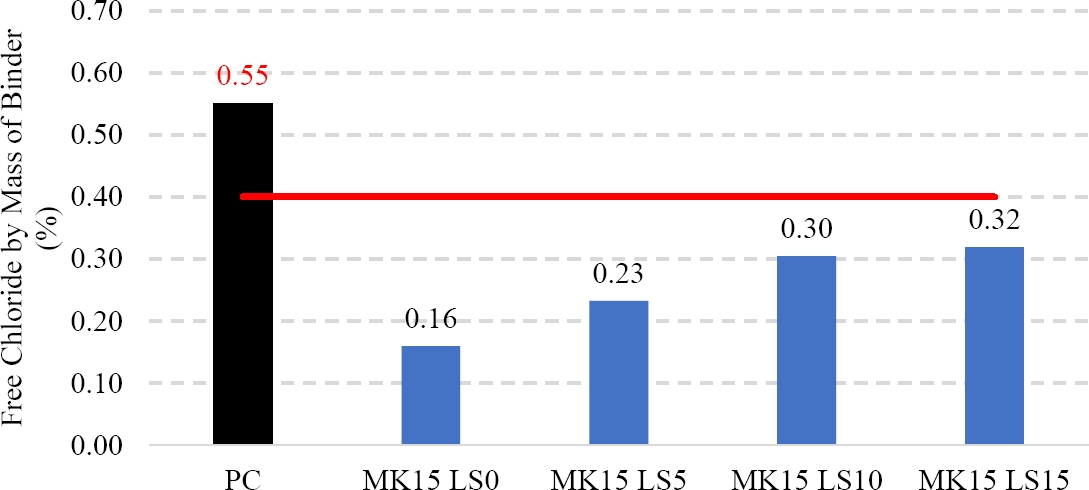
Figure 4. Free Chloride Percent by Mass of Binder for the Metakaolin-Limestone System
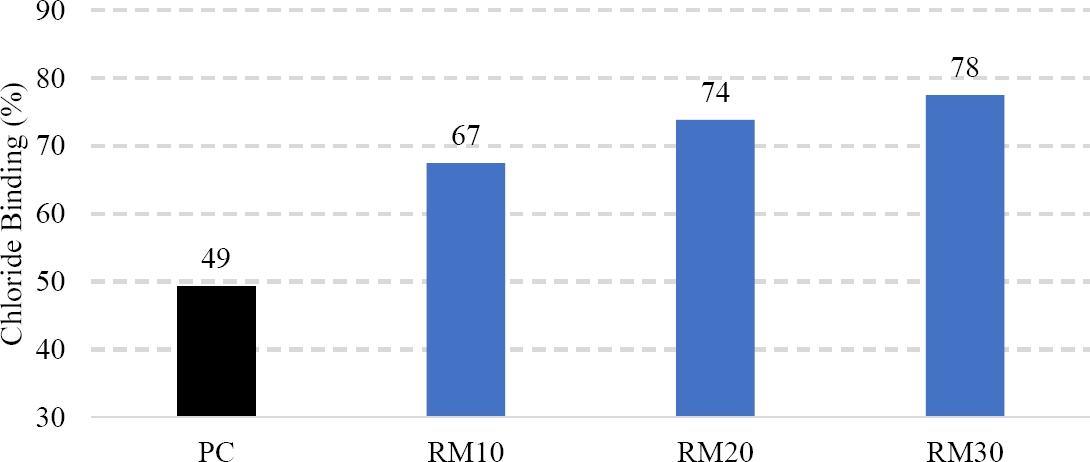
Figure 5. Chloride Binding for the Red Mud System (%)
Use of calcium aluminate cement (CAC) and replacement of limestone in the CAC system: As stated in the introduction, CAC exhibits notable differences from Portland cement in terms of the phases it contains. As demonstrated in Table 7, the CaO and SiO2 ratios were markedly diminished in the CAC system in comparison to the Portland cement system. Conversely, the Al2O3 content was found to be equal to 10 times that of the sample produced with Portland cement. Furthermore, as the quantity of limestone within the CAC system increased, the concentration of SiO2 was reduced, while that of CaO was raised.
Table 7. Oxide Compositions for the CAC System (wt.%)
| Sample Code | Cl- | Al2O3 | CaO | SiO2 | ||||
| Before | After | Before | After | Before | After | Before | After | |
| PC | 0.8 | 0.4 | 3.2 | 3.3 | 68.4 | 69.3 | 15.8 | 16.2 |
| CAC | 0.9 | 0.8 | 33.3 | 33.3 | 37.1 | 38.5 | 3.4 | 3.2 |
| CAC LS10 | 1.0 | 0.8 | 33.1 | 31.9 | 39.8 | 40.8 | 3.2 | 3.0 |
| CAC LS20 | 1.0 | 0.8 | 31.4 | 30.6 | 41.3| | 44.1 | 2.8 | 2.6 |
When CAC was utilized as the main binder, the chloride binding capacity reached up to 81%, which was approximately 1.7 times that of neat Portland cement. This improvement was due to the higher alumina content of CAC. Furthermore, the limestone addition in the CAC system did not show a significant influence, either positive or negative. In addition, the free chloride content of all batches in the CAC system was found to be lower than the threshold value.
As previously stated, studies conducted within the framework of external chloride attack indicated that the chloride binding capacity depended on the CaO/Al₂O₃ ratio. It was reported that the highest binding capacity could be achieved when this ratio is between 3 and 7 in the case of external chloride attack (Wang et al., 2019). Figure 9a illustrates the chloride binding capacity versus the CaO/Al₂O₃ ratio for the metakaolin, red mud, Portland cement and calcium aluminate cement systems. While the chloride binding percentage changed from system to system probably due to reactive alumina content (Talero et al., 2011), it was observed that the chloride binding capacity increased when the CaO/Al₂O₃ ratio decreased up to 4-6. On the other hand, it is established that the CO3-AFm phase has the potential to enhance the chloride binding capacity (H. Li et al., 2018; Zhu et al., 2022). It was reported that the optimal molar ratio of CO₂ to Al₂O₃ is between 0.5 and 1, which corresponds to approximately 0.5 and 1 for CaCO₃ to Al₂O₃ in terms of mass ratio, for the maximization of the CO₃-AFm phase (Matschei et al., 2007). The relationship between the CaCO3/Al₂O₃ ratio and chloride binding capacity for MK LS and CAC LS systems is shown in Figure 9b. It was observed that the chloride binding capacity decreased slightly when the CaCO3/Al₂O₃ ratio increased from 0 to 0.3-0.5, though no significant effect was observed after 0.5.
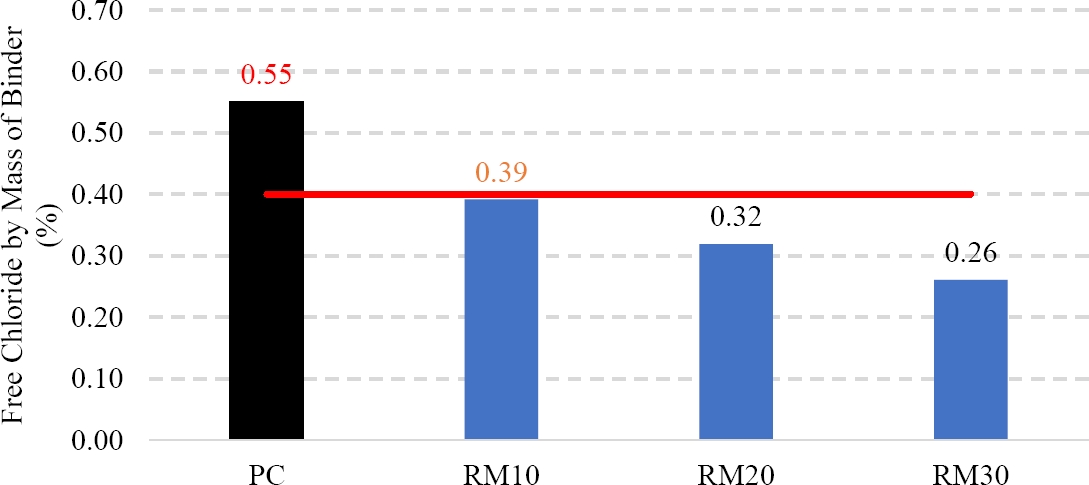
Figure 6. Free Chloride Percent by Mass of Binder for the Red Mud System
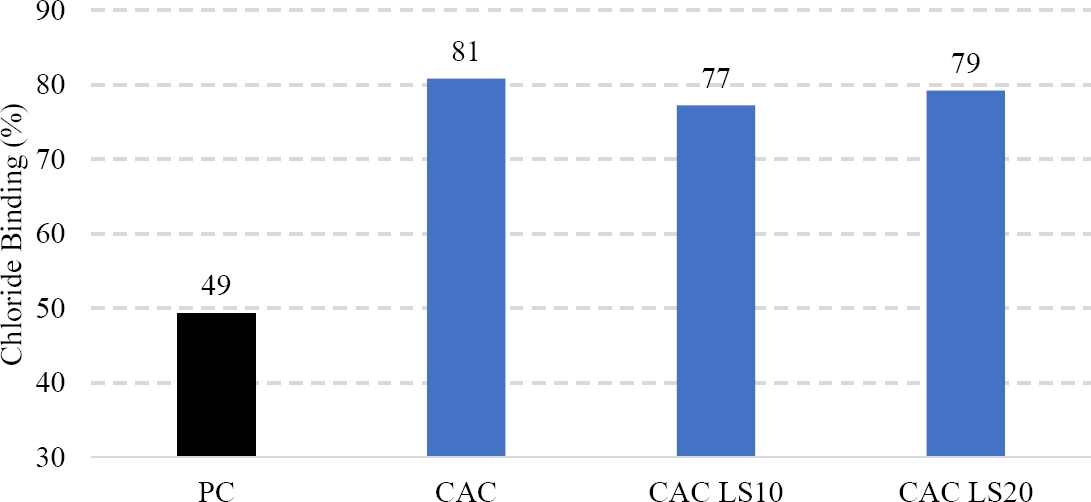
Figure 7. Chloride Binding for the CAC System (%)
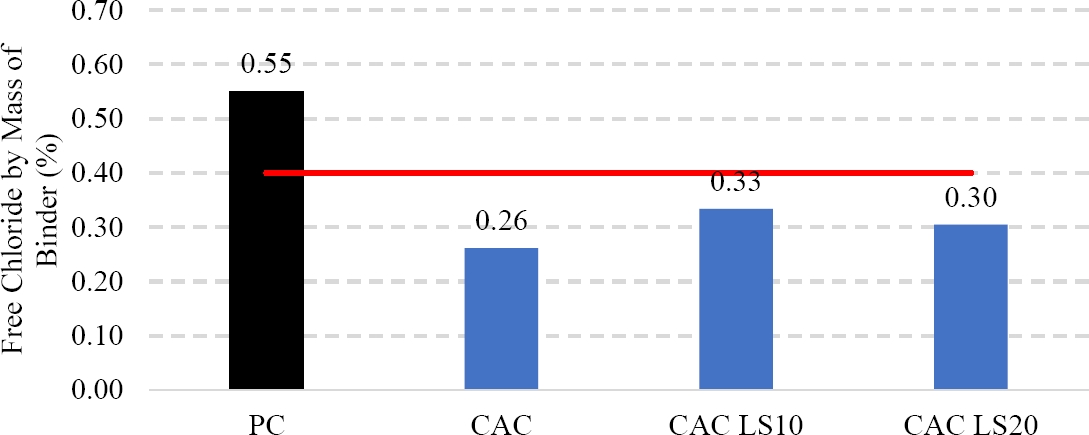
Figure 8. Free Chloride Percent by Mass of Binder for the CAC System
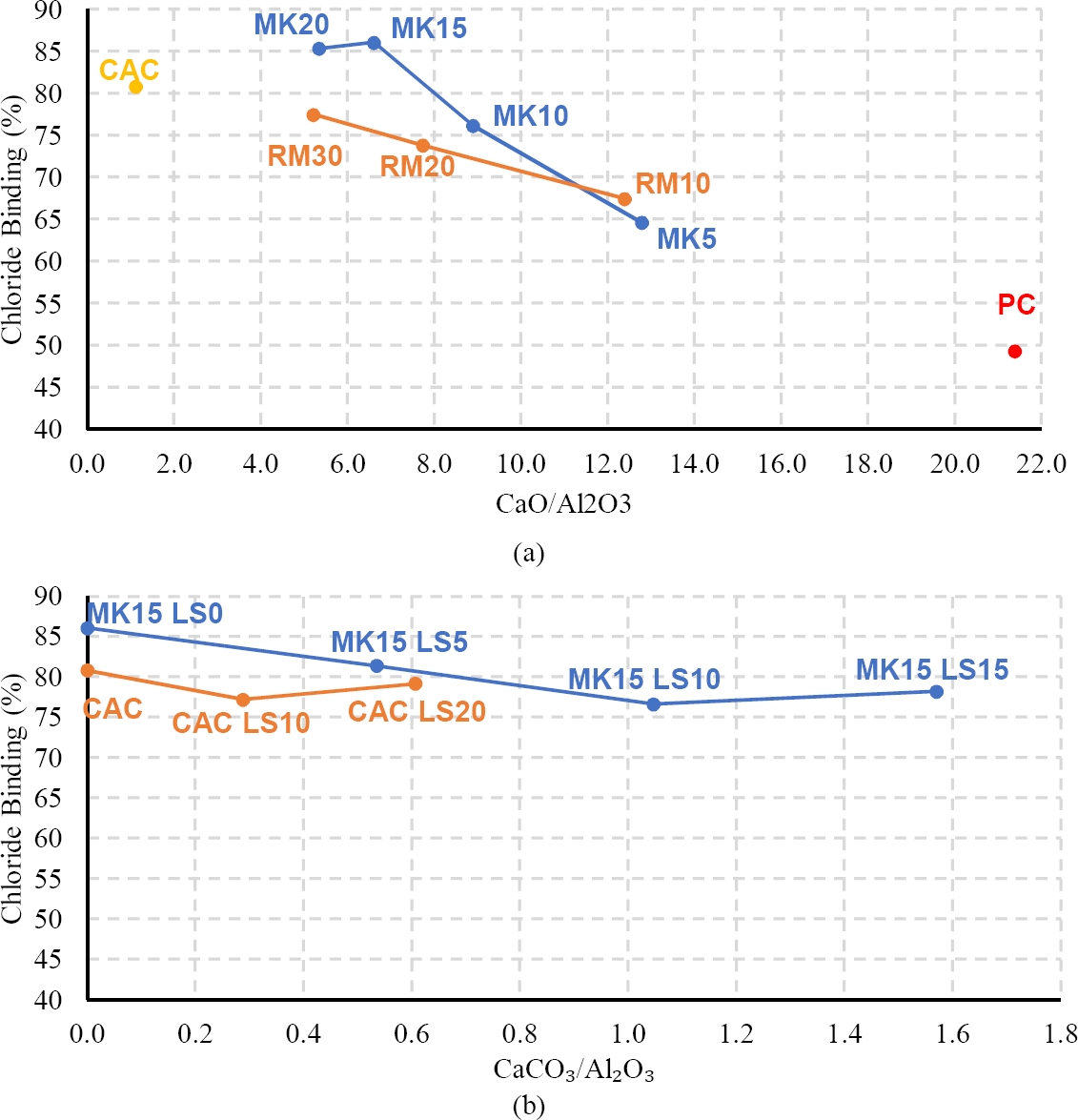
Figure 9. Chloride Binding Capacity versus a) CaO/Al₂O₃ Ratio and b) CaCO3/Al₂O₃ Ratio
3.2 Compressive Strength
The 28th-day compressive strength results are illustrated in Figure 10. First of all, it was observed that the samples produced with seawater exhibited higher strength than the samples produced with freshwater, irrespective of the binders employed. This was attributed to accelerated hydration reactions in the chloride medium (Aydoğan, Dilber, et al., 2024; H. Li et al., 2018). In the majority of cases, 28-day period is early to observe the pozzolanic activity of mineral additives. However, the use of metakaolin as an additive resulted in a notable increase in strength due to its high surface area and reactive structure (Siddique & Khan, 2011; Wei & Gencturk, 2019), except SW MK20, which exhibited a strength level comparable to SW PC. The optimum metakaolin substitution rate to maximize the compressive strength was found to be 10%. The addition of limestone to the MK system resulted in a reduction in compressive strength, which was attributed to the low activity of the limestone (Matschei et al., 2007; Neville, 2011). However, all batches in the MK15 LS system still exhibited greater strength than FW PC and even SW PC. In addition, the substitution rate was found to have a minimal impact on the observed results. In the red mud system, the utilization of red mud and increased substitution rate resulted in a gradual reduction in strength due to the low SiO₂ content and pozzolanic activity (Ribeiro et al., 2011b). As can be seen in Table 6, CaO content was reduced and SiO2 content was not affected by red mud addition. As known, these oxides are linked to the binding properties of the Portland cement system. On the other hand, only the compressive strength of SW RM30 was lower than FW PC, which means that using seawater as mix water can eliminate strength reduction caused by red mud addition.
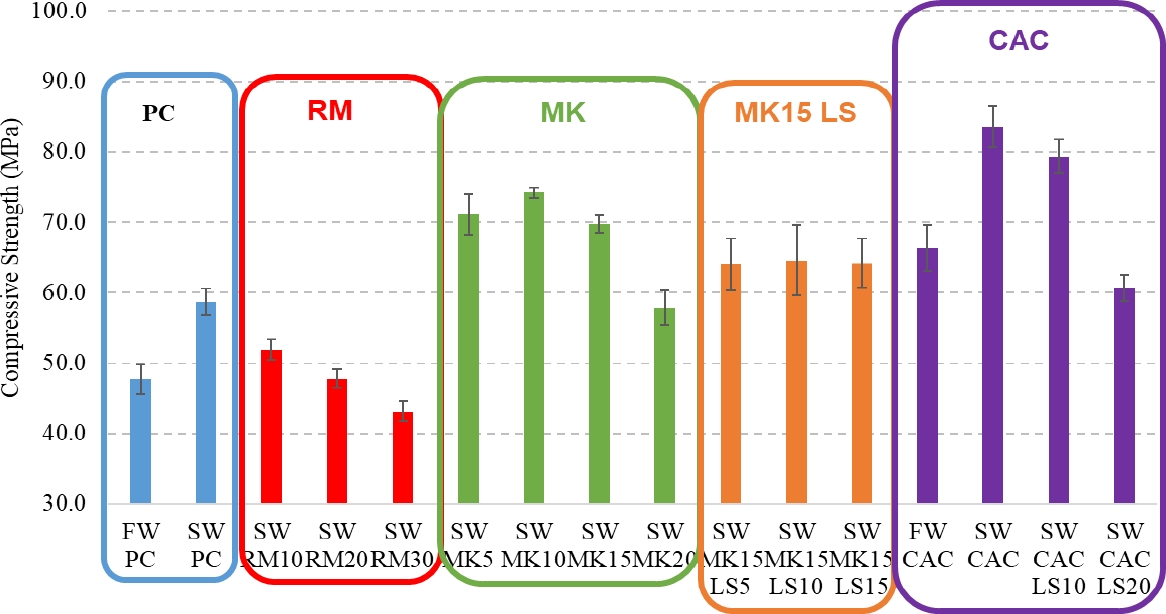
Figure 10. Compressive Strength Results of Cement Pastes
The use of calcium aluminate cement increased the compressive strength significantly compared to Portland cement regardless of mix water type. While the compressive strengths of FW PC and SW PC were found to be 47.7 and 58.7 MPa, the ones of FW CAC and SW CAC were 66.3 and 83.5 MPa, respectively. This rapid hardening and high early strength are characteristic features of calcium aluminate cements (Scrivener et al., 2003). The addition of limestone affected the compressive strength of the CAC-based system. While 10% substitution rate was observed to decrease strength by only 5%, the increase in the substitution rate to 20% resulted in 27% reduction in strength. On the other hand, the strength of SW CAC LS20 was still higher than that of FW PC and even SW PC.
4. CONCLUSION
The principal objective of this study was to develop binder systems that would minimize the risk of corrosion by reducing the concentration of free chloride when seawater was employed as mixing water. In this context, metakaolin, limestone, red mud, and CAC binder systems were utilized. The findings can be summarized as follows:
The addition of metakaolin resulted in a 75% increase in chloride binding capacity compared to the neat Portland cement system due to its higher reactive alumina content. MK5 displayed a value that was approximately aligned with the free chloride threshold, while MK10, MK15, and MK20 demonstrated values that were below the specified limit.
Despite a slight reduction in chloride binding capacity resulting from limestone addition in the MK system, the capacity remained 60% higher than that of the Portland cement system. Free chloride content of all batches in the MK LS system was found to be lower than the threshold value.
The chloride binding capacity was observed to increase in proportion to the replacement rate of red mud, reaching a value that was 57% higher than that of the Portland cement system. While the free chloride content of RM10 was around the limit, the ones of RM20 and RM30 was below the specified chloride limit, which is governed by EN 206.
When CAC was utilized as the main binder, 65% increment was observed in chloride binding capacity compared to the neat Portland cement system. The limestone addition in the CAC system did not show a significant influence on the chloride binding capacity. The free chloride content of all batches in the CAC system was found to be lower than the threshold value.
It was observed that the chloride binding capacity increased when the CaO/Al₂O₃ ratio decreased up to 4-6. On the other hand, it was determined that the chloride binding capacity decreased slightly when the CaCO3/Al₂O₃ ratio increased from 0 to 0.3-0.5, though no significant effect was observed after 0.5.
As a result, most of the batches used in this study is expected to minimize and even eliminate the corrosion risk of seawater mix cement-based reinforced concrete.
5. ACKNOWLEDGEMENT
This study was funded by Boğaziçi University Scientific Research Projects Coordination Unit under project number 19975. Furthermore, we would like to express our gratitude to Akçansa, Çimsa, and Eti Alüminyum for their material contributions.
6. REFERENCES
Angst, U., Elsener, B., Larsen, C. K., Vennesland, Ø. (2009). Critical chloride content in reinforced concrete - A review. Cement and Concrete Research, 39(12), 1122–1138. https://doi.org/10.1016/j.cemconres.2009.08.006
Ann, K. Y., Kim, T. S., Kim, J. H., Kim, S. H. (2010). The resistance of high alumina cement against corrosion of steel in concrete. Construction and Building Materials, 24(8), 1502–1510. https://doi.org/10.1016/j.conbuildmat.2010.01.022
Aydoğan, O. G., Akca, A. H., Bilici, S., Öztürk, H., Dilber, A. A., Özyurt, N. (2024). Microstructural Examination of Black Seawater Mixed Sulfate-Resistant Cement Concrete. Journal of Materials in Civil Engineering, 36(1). https://doi.org/10.1061/jmcee7.mteng-15962
Aydoğan, O. G., Dilber, A. A., Sepetçi, A., Tarhan, M., Özyurt, N. (2024). Effect of Ion Concentration in the Mixing Water on Performance and Hydration Kinetics of Cement-Based Materials. In: Ferrara, L., Muciaccia, G., Di-Summa, D. (Eds) Proceedings of the RILEM Spring Convention and Conference 2024. RSCC 2024. RILEM Bookseries. https://doi.org/10.1007/978-3-031-70281-5_46
Bentz, D. P. (2006). Modeling the influence of limestone filler on cement hydration using CEMHYD3D. Cement and Concrete Composites, 28(2), 124–129.
Bizzozero, J. (2014). Hydration and dimensional stability of calcium aluminate cement based systems.
Chen, M., He, Y., Lü, L., Zhang, X. (2023). Effect of High Content Limestone Powder on Microstructure and Mechanical Properties of Cement-based Materials. Journal Wuhan University of Technology, Materials Science Edition, 38(3), 557–566. https://doi.org/10.1007/s11595-023-2731-3
Cheng, S., Shui, Z., Sun, T., Huang, Y., Liu, K. (2018). Effects of seawater and supplementary cementitious materials on the durability and microstructure of lightweight aggregate concrete. Construction and Building Materials, 190, 1081–1090. https://doi.org/10.1016/j.conbuildmat.2018.09.178
Dhir, R. K., Limbachiya, M. C., McCarthy, M. J., Chaipanich, A. (2007). Evaluation of Portland limestone cements for use in concrete construction. Materials and Structures, 40, 459–473.
Díaz, B., Freire, L., Nóvoa, X. R., Pérez, M. C. (2015). Chloride and CO2 transport in cement paste containing red mud. Cement and Concrete Composites, 62, 178–186. https://doi.org/10.1016/j.cemconcomp.2015.02.011
Ebead, U., Lau, D., Lollini, F., Nanni, A., Suraneni, P., Yu, T. (2022). A review of recent advances in the science and technology of seawater-mixed concrete. Cement and Concrete Research, 152(December 2021), 106666. https://doi.org/10.1016/j.cemconres.2021.106666
Etxeberria, M., & Gonzalez-Corominas, A. (2018). Properties of Plain Concrete Produced Employing Recycled Aggregates and Sea Water. International Journal of Civil Engineering, 16(9), 993–1003. https://doi.org/10.1007/s40999-017-0229-0
Evans, K. (2016). The history, challenges, and new developments in the management and use of bauxite residue. Journal of Sustainable Metallurgy, 2, 316–331.
Florea, M. V. A., Brouwers, H. J. H. (2012). Chloride binding related to hydration products: Part I: Ordinary Portland Cement. Cement and Concrete Research, 42(2), 282–290. https://doi.org/10.1016/j.cemconres.2011.09.016
Gbozee, M., Zheng, K., He, F., Zeng, X. (2018). The influence of aluminum from metakaolin on chemical binding of chloride ions in hydrated cement pastes. Applied Clay Science, 158(April), 186–194. https://doi.org/10.1016/j.clay.2018.03.038
Ghrici, M., Kenai, S., Said-Mansour, M. (2007). Mechanical properties and durability of mortar and concrete containing natural pozzolana and limestone blended cements. Cement and Concrete Composites, 29(7), 542–549.
Guo, Y., Zhang, T., Tian, W., Wei, J., Yu, Q. (2019). Physically and chemically bound chlorides in hydrated cement pastes: a comparison study of the effects of silica fume and metakaolin. Journal of Materials Science, 54(3), 2152–2169. https://doi.org/10.1007/s10853-018-2953-5
He, Z., Zhu, X., Wang, J., Mu, M., Wang, Y. (2019). Comparison of CO2 emissions from OPC and recycled cement production. Construction and Building Materials, 211, 965–973.
Homayoonmehr, R., Ramezanianpour, A. A., Moodi, F., Ramezanianpour, A. M., Gevaudan, J. P. (2022). A Review on the Effect of Metakaolin on the Chloride Binding of Concrete, Mortar, and Paste Specimens. Sustainability (Switzerland), 14(22), 1–21. https://doi.org/10.3390/su142215022
Hu, X., Shi, C., Yuan, Q., Zhang, J., Schutter, G. De. (2018). Influences of chloride immersion on zeta potential and chloride concentration index of cement-based materials. Cement and Concrete Research, 106, 49–56.
Khatibmasjedi, M., Ramanathan, S., Suraneni, P., Nanni, A. (2020). Compressive strength development of seawater-mixed concrete subject to different curing regimes. ACI Materials Journal, 117(5), 3–12. https://doi.org/10.14359/51725973
Kim, H., Son, H. M., Lee, H. K. (2021). Review on recent advances in securing the long-term durability of calcium aluminate cement (cac)-based systems. Functional Composites and Structures, 3(3). https://doi.org/10.1088/2631-6331/ac1913
Lapeyre, J., Ponduru, S. A., Okoronkwo, M., Ma, H., Kumar, A. (2022). Hydration of high-alumina calcium aluminate cements with carbonate and sulfate additives. Journal of Thermal Analysis and Calorimetry, 147(10), 5575–5587. https://doi.org/10.1007/s10973-021-10939-4
Li, G., Zhang, A., Song, Z., Shi, C., Wang, Y., Zhang, J. (2017). Study on the resistance to seawater corrosion of the cementitious systems containing ordinary Portland cement or/and calcium aluminate cement. Construction and Building Materials, 157, 852–859. https://doi.org/10.1016/j.conbuildmat.2017.09.175
Li, H., Farzadnia, N., Shi, C. (2018). The role of seawater in interaction of slag and silica fume with cement in low water-to-binder ratio pastes at the early age of hydration. Construction and Building Materials, 185, 508–518. https://doi.org/10.1016/j.conbuildmat.2018.07.091
Li, P., Li, W., Sun, Z., Shen, L., Sheng, D. (2021). Development of sustainable concrete incorporating seawater: A critical review on cement hydration, microstructure and mechanical strength. Cement and Concrete Composites, 121(May), 104100. https://doi.org/10.1016/j.cemconcomp.2021.104100
Li, Q., Geng, H., Shui, Z., Huang, Y. (2015). Effect of metakaolin addition and seawater mixing on the properties and hydration of concrete. Applied Clay Science, 115, 51–60. https://doi.org/10.1016/j.clay.2015.06.043
Lim, E. D., Roxas, C. L., Gallardo, R., Nishida, T., Otsuki, N. (2015). Strength and corrosion behavior of mortar mixed and/or cured with seawater with various fly ash replacement ratios. Asian Journal of Civil Engineering, 16(6), 835–849.
Livesey, P. (1991). Performances of limestone-filled cements. Swamy RN, Blended Cements in Construction. London.
Lollini, F., Redaelli, E., Bertolini, L. (2014). Effects of portland cement replacement with limestone on the properties of hardened concrete. Cement and Concrete Composites, 46, 32–40. https://doi.org/10.1016/j.cemconcomp.2013.10.016
Lothenbach, B., Le Saout, G., Gallucci, E., Scrivener, K. (2008). Influence of limestone on the hydration of Portland cements. Cement and Concrete Research, 38(6), 848–860. https://doi.org/10.1016/j.cemconres.2008.01.002
Luz, A. P., Pandolfelli, V. C. (2012). CaCO 3 addition effect on the hydration and mechanical strength evolution of calcium aluminate cement for endodontic applications. Ceramics International, 38(2), 1417–1425. https://doi.org/10.1016/j.ceramint.2011.09.021
Martin-Perez, B., Zibara, H., Hooton, R. D., Thomas, M. D. A. (2000). A study of the effect of chloride binding on service life predictions. Cement and Concrete Research, 30(8), 1215–1223.
Matschei, T., Lothenbach, B., Glasser, F. P. (2007). The role of calcium carbonate in cement hydration. Cement and Concrete Research, 37(4), 551–558. https://doi.org/10.1016/j.cemconres.2006.10.013
Miller, S. A., Horvath, A., Monteiro, P. J. M. (2018). Impacts of booming concrete production on water resources worldwide. Nature Sustainability, 1(1), 69–76. https://doi.org/10.1038/s41893-017-0009-5
Mohammed, T. U., Hamada, H., Yamaji, T. (2004). Performance of seawater-mixed concrete in the tidal environment. Cement and Concrete Research, 34(4), 593–601. https://doi.org/10.1016/j.cemconres.2003.09.020
Neville, A. M. (2011). Properties of Concrete.
Nishida, T., Ph, D., Otsuki, N., Ph, D., Asce, M., Ohara, H. (2015). Some Considerations for Applicability of Seawater as Mixing Water in Concrete. Journal of Materials in Civil Engineering, 27(7). https://doi.org/10.1061/(ASCE)MT.1943-5533.0001006.
Ribeiro, D. V., Labrincha, J. A., Morelli, M. R. (2011a). Chloride diffusivity in red mud-ordinary portland cement concrete determined by migration tests. Materials Research, 14(2), 227–234. https://doi.org/10.1590/S1516-14392011005000026
Ribeiro, D. V., Labrincha, J. A., Morelli, M. R. (2011b). Potential use of natural red mud as pozzolan for Portland cement. Materials Research, 14(1), 60–66. https://doi.org/10.1590/S1516-14392011005000001
Rilem TC 178. (2002). Analysis of water soluable chloride in concrete. Materials and Structures, 35(November 2002), 586–588.
Scrivener, K. L., Newman, J., Choo, B. S. (2003). Calcium aluminate cements. Advanced concrete technology.
Shi, Z., Shui, Z., Li, Q., Geng, H. (2015). Combined effect of metakaolin and sea water on performance and microstructures of concrete. Construction and Building Materials, 74, 57–64. https://doi.org/10.1016/j.conbuildmat.2014.10.023
Siddique, R., Khan, M. I. (2011). Supplementary Cementing Materials.
Talero, R., Trusilewicz, L., Delgado, A., Pedrajas, C., Lannegrand, R., Rahhal, V., Mejía, R., Delvasto, S. (2011). Comparative and semi-quantitative XRD analysis of Friedel ’ s salt originating from pozzolan and Portland cement. Construction and Building Materials, 25(5), 2370–2380. https://doi.org/10.1016/j.conbuildmat.2010.11.037
Thomas, M. D. A., Hooton, R. D., Scott, A., Zibara, H. (2012). The effect of supplementary cementitious materials on chloride binding in hardened cement paste. Cement and Concrete Research, 42(1), 1–7. https://doi.org/10.1016/j.cemconres.2011.01.001
UNESCO. (2020). United nations world water development report 2020: water and climate change.https://aquadocs.org/handle/1834/42227%0Ahttps://unesdoc.unesco.org/ark:/48223/pf0000372985/PDF/372985eng.pdf.multi
Wang, Y., Shui, Z., Gao, X., Huang, Y., Yu, R., Song, Q. (2020). Chloride binding capacity and phase modification of alumina compound blended cement paste under chloride attack. Cement and Concrete Composites, 108(March 2019), 103537. https://doi.org/10.1016/j.cemconcomp.2020.103537
Wang, Y., Shui, Z., Gao, X., Yu, R., Huang, Y., Cheng, S. (2019). Understanding the chloride binding and diffusion behaviors of marine concrete based on Portland limestone cement-alumina enriched pozzolans. Construction and Building Materials, 198, 207–217. https://doi.org/10.1016/j.conbuildmat.2018.11.270
Wang, Y., Zhang, T., Lyu, G., Guo, F., Zhang, W., Zhang, Y. (2018). Recovery of alkali and alumina from bauxite residue (red mud) and complete reuse of the treated residue. Journal of Cleaner Production, 188, 456–465.
Wei, J., Gencturk, B. (2019). Hydration of ternary Portland cement blends containing metakaolin and sodium bentonite. Cement and Concrete Research, 123(May 2017), 105772. https://doi.org/10.1016/j.cemconres.2019.05.017
Worrell, E., Price, L., Martin, N., Hendriks, C., Meida, L. O. (2001). Carbon Dioxide Emissions from the Global Cement Industry. Annual Review of Energy and the Environment, 26, 303–329.
Xue, S., Zhu, F., Kong, X., Wu, C., Huang, L., Huang, N., Hartley, W. (2016). A review of the characterization and revegetation of bauxite residues (Red mud)le. Environmental Science and Pollution Research, 23, 1120–1132.
Younis, A., Ebead, U., Suraneni, P., Nanni, A. (2018). Fresh and hardened properties of seawater-mixed concrete. Construction and Building Materials, 190, 276–286. https://doi.org/10.1016/j.conbuildmat.2018.09.126
Zhang, J., Zhang, N., Li, C., Zhang, Y. (2021). Strength development mechanism of a marine binding material with red mud and seawater. Construction and Building Materials, 303(August), 124428. https://doi.org/10.1016/j.conbuildmat.2021.124428
Zhao, Y., Hu, X., Shi, C., Yuan, Q., Zhu, D. (2021). Determination of free chloride in seawater cement paste with low water-binder ratio. Cement and Concrete Composites, 124(August), 104217. https://doi.org/10.1016/j.cemconcomp.2021.104217
Zhu, Z., Wang, Z., Xu, L., Peng, X., Zhou, Y., Wu, K. (2022). Phase-dependent study of chloride binding capacity and its relation to the properties of CAC. Journal of Building Engineering, 46(September 2021), 103718. https://doi.org/10.1016/j.jobe.2021.103718