
| Documental Research | https://doi.org/10.21041/ra.v15i3.723 |
Effects of the extremely aggressive atmosphere on structures and equipment of offshore platforms undergoing decommissioning
Efectos de la atmósfera extremadamente agresiva en las estructuras y equipos de las plataformas marinas en fase de desmantelamiento
Efeitos da atmosfera extremamente agressiva em estruturas e equipamentos de plataformas offshore em descomissionamento
L. S. Araujo1* , E. C. Mounzer1
1 Departamento de Engenharia Civil, Escola de Engenharia, Universidade Federal Fluminense, Niterói, Brasil.
*Contact author: ls_araujo@id.uff.br
Received: 07/03/2024
Revised: 01/06/2025
Accepted: 18/08/2025
Published: 01/09/2025
| Cite as: Araujo, L. S., Mounzer, E. C. (2025), "Effects of the extremely aggressive atmosphere on structures and equipment of offshore platforms undergoing decommissioning", Revista ALCONPAT, 15 (3), pp. 413 – 431, DOI: https://doi.org/10.21041/ra.v15i3.723 |
Abstract
The aim of this work was to investigate the influence of an extremely aggressive atmosphere on the metallic structures and equipment of a platform undergoing decommissioning. The methodology included bibliographical research, data collection on accidents caused by corrosion; prior selection of sites; visual inspection; and curation of the data collected. The results showed severe damage to structures, equipment and accessories caused by the intense aggressiveness of the environment. The limitations involved access to information on accidents and incidents related to corrosive processes in this environment. This work is original because it covers the effects of an extremely aggressive atmosphere in the studied environment. The conclusion is that corrosion on platforms in such conditions poses serious risks of structural collapse, as well as potential harm to workers and the environment.
Keywords: structural integrity; corrosion; degradation; structures; decommissioning.
1. INTRODUCTION
Brazil is currently undergoing a major transformation in the oil and gas industry. With the discovery of large exploration fields in ultra-deep waters, the national oil industry has invested in new technologies to make commercial production viable in these fields. The revitalization of so-called mature oil fields has also been a major focus, as has been the case with one of Brazil's important sedimentary basins: the Campos Basin, located in the state of Rio de Janeiro (RJ). The projects to revitalize mature oil and natural gas exploration fields in the Campos Basin have investments of more than US$18 billion scheduled for the next four years and therefore require the use of exploration and production units with more advanced technologies to meet the demands of the new projects. However, for new large units to begin their production process in mature fields, it is necessary to remove less efficient units (Agência Petrobras, 2023).
As a pioneer in Brazilian deepwater exploration and production, the Campos Basin has oil and natural gas exploration and production systems that are more than 30 years old. The consequence of this is the obsolescence of technology and the failure to meet the new demands of exploration and production in increasingly deep water, due to technological limitations. In addition, some platforms have a much longer lifespan compared to their exploration and production time, as they have gone from floating units to oil and natural gas platforms through the hull conversion process. As a result, pathological problems arise more quickly compared to units that were not built from hulls that have a history of operation. Some of the pathological problems caused by ageing are structural integrity, reduced thickness of systems (hull, bulkheads in cargo and ballast tanks, collision tank structures, submarine, boiler and others) and holes in lines or tanks (Costa, 2019; Misra, 2016).
All these problems caused by the ageing process of marine units, combined with the extreme aggressiveness of the offshore environment and the fall in oil and natural gas production in oil fields, can be determining factors in the operator's decision to decommission its exploration and production system. According to da Silva & Mainier (2009), the justification for decommissioning offshore units in mature fields, either individually or in combination, is based on the low production capacity of obsolete units, falling productivity and production costs. The decommissioning of offshore oil and natural gas systems can be understood as a set of activities aimed at abandoning a well or closing down an oil and gas exploration, production or storage unit, as is planned for the following units: P-07, P-08, P-09, P-12, P-15, P-18, P-19, P-20, P-25, P-26, P-32, P-33, P-35, P-37 and P-47, whose production curve from January 2020 to December 2022 is shown in Figure 1 (Agência Nacional do Petróleo, Gás Natural e Biocombustíveis, 2023; M’Pusa, 2017).
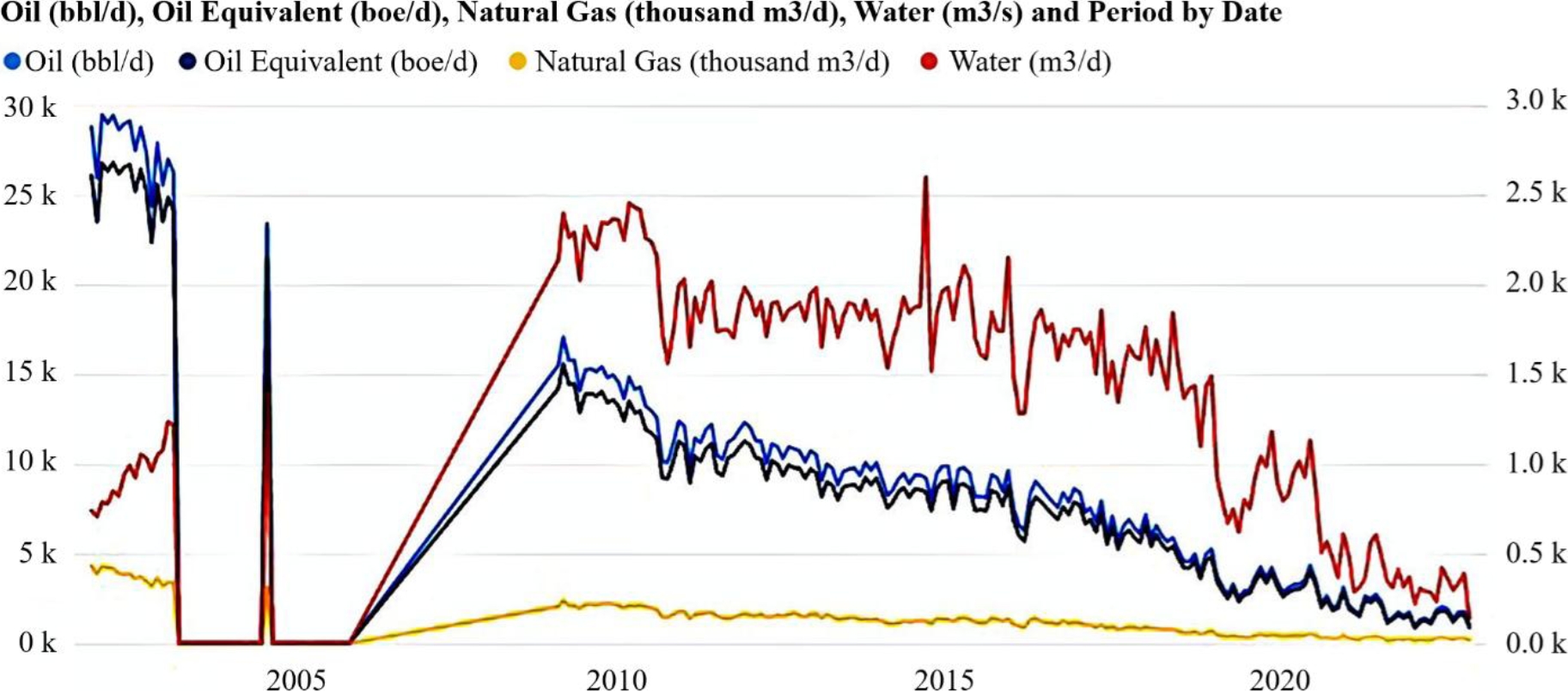
Figure 1. Decline in production on Campos Basin oil platforms with approved decommissioning.
In the Campos Basin region, there is an interest in maintaining the continuity of exploration and production in mature fields by installing more modern oil and natural gas production units. To this end, in order for the new units to be installed, it is necessary to decommission aging systems that are less economically advantageous or have become obsolete. By the end of 2022, 96 Installation Decommissioning Programmes (IDPs) had been submitted to the Brazilian government body responsible for regulating, contracting and supervising the economic activities that make up the oil industry (Brazilian National Agency for Petroleum, Natural Gas, and Biofuels - ANP), 25% of which belonged to the Campos Basin. The IDPs are programmes that incorporate information, procedures and studies needed to plan and carry out decommissioning activities. Among the programs submitted are those whose analysis has been temporarily suspended and those whose analysis has been definitively suspended. In the latter case, the operator must submit a new PDI to the ANP (Agência Nacional de Petróleo, Gás Natural e Biocombustíveis, 2023; Agência Petrobras, 2023).
Historically, the decision to decommission oil and natural gas platforms in shallow waters has preceded platforms installed in the Gulf of Mexico, Figure 2, a region under the jurisdiction of the United States of America. According to de Almeida et al. (2017), most of the platforms in the Gulf of Mexico have already been decommissioned; in the period between the beginning of 2002 and January 2016, the Bureau of Safety and Environmental Enforcement (BSEE) received 2,601 requests for licenses to decommission oil and natural gas platforms in the Gulf of Mexico. Of this total, more than 1,000 units were decommissioned between 2010 and 2014, at a cost of around US$9 billion; however, as of July 2019, of the 7,209 oil units installed in the Gulf of Mexico under US jurisdiction, only 1,852 oil and gas platforms are still producing (Oudenot et al., 2017). Not far from this, exploration and production units installed in the North Sea, when compared to units located in the Gulf of Mexico, according to Herrera Anchustegui et al. (2021) and Stacey & Livsey (2016), of the 1. 357 units that were operating in the North Sea with an average production age of 25 years, around 470 platforms, 5,000 wells, 10,000 kilometers of pipelines and 40,000 concrete blocks are expected to be dismantled by 2050, due to the fall in the price of a barrel of oil in 2014 and the ageing of exploration and production units.
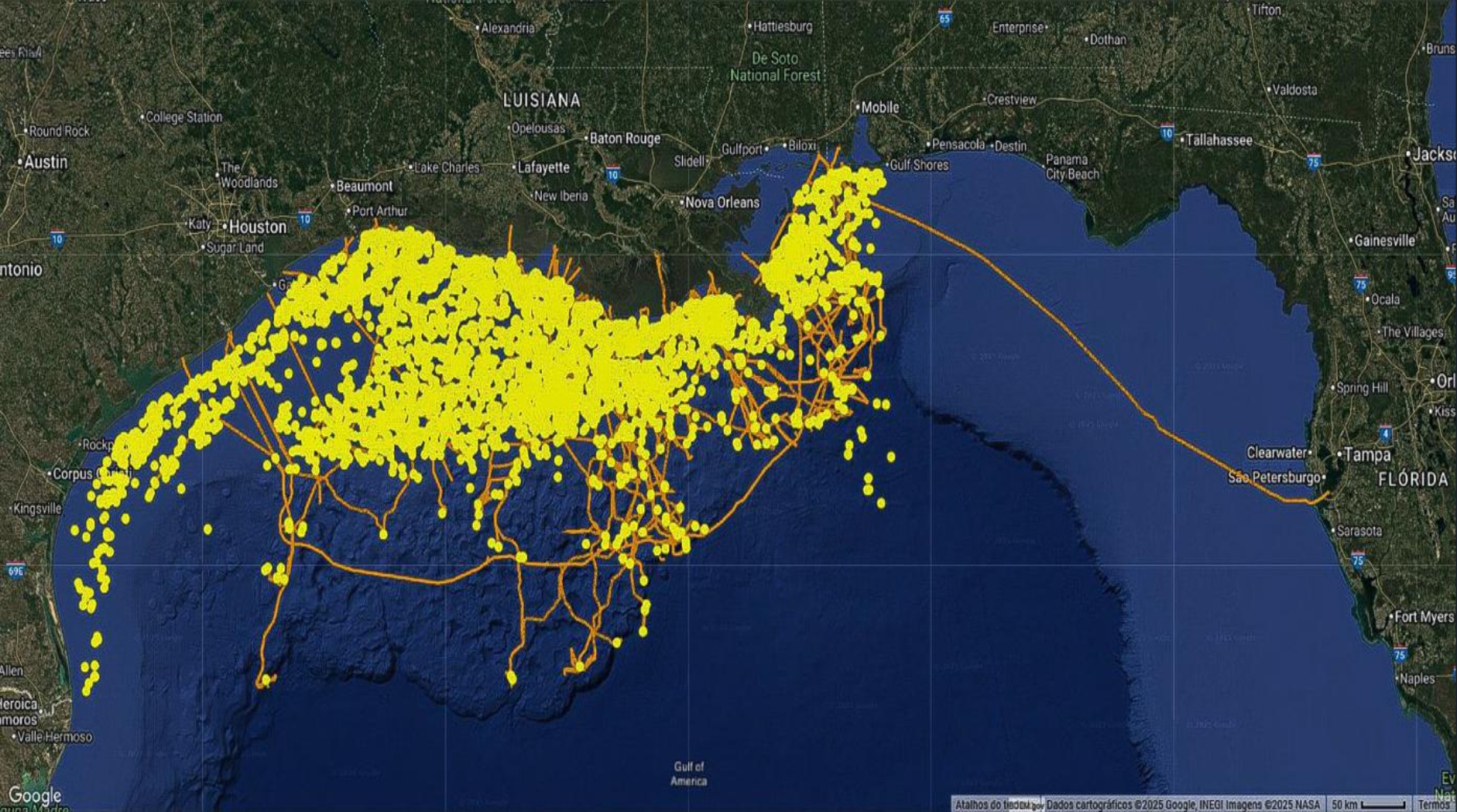
Figure 2. Oil and natural gas production units in operation in the Gulf of America. Source: https://monitor.skytruth.org (2024)
The decommissioning of oil and gas exploration and production systems is a complex process, whose complexity is not only due to compliance with government requirements (Brazilian Navy, IBAMA and ANP, for example), but also due to the lack of national experience in this process, which leads these units to remain in their location much longer than desired (de Souza K. A et al., 2021). One of the consequences of this, in addition to changes in investment priorities, is degradation due to corrosive processes that result in loss of containment, collapse, embrittlement and deformation of structures. This, in addition to imposing changes in the distribution of efforts, can also be a determining factor in the occurrence of unenviable events, such as accidents and incidents involving people or equipment.
1.1 Shipbuilding steels
In order to guarantee the durability of ship structures, shipbuilding steels, unlike general purpose steels, which are only guaranteed for their chemical composition, according to Usiminas (2020), shipbuilding steels for the construction of rings and blocks require mechanical properties to be guaranteed in environments with a high degree of aggression, according to those belonging to the CX corrosivity category of International Standard 12944-2 (2017). Another specificity of naval steel is that in addition to being governed by ASTM International A131/A131M (2019), it also needs to be certified by the main international classification bodies, such as:
➢ American Bureau of Shipping (ABS);
➢ Bureau Veritas (BV);
➢ Det Norske Veritas (DNV);
➢ Germanischer Lloyd (GL);
➢ Lloyd’s Register of Shipping (LR);
➢ Nippon Kaiji Kyokai (NK);
The classification societies also have the task of establishing minimum specifications for naval steels for structural applications, which the shipowner must comply with. In order to fulfil these requirements, manufacturing processes, heat treatment and deoxygenation methods are controlled. These controls also extend to the chemical composition of the material and the minimum values for tensile strength, yield strength, elongation and shock resistance; it is also necessary for the metal part to have good resistance to fracture and good weldability (de Brito & Gordo, 2004).
The physical, chemical and mechanical properties inherent in steels with structural applications allow them to be divided into two groups, as mentioned by Misra (2016): current unalloyed steels and high-strength steels. The first group is designated by grades A, B, C, D and E, which are different from each other due to the chemical composition and microstructure of the material, although they have the same values for tensile strength, yield strength and post-rupture deformation. Another parameter for distinguishing the grades of naval steel is the capacity to absorb energy in the presence of notches, which varies depending on the magnesium content, the method of deoxidisation and grain refinement, and the heat treatment applied.
For high-strength steel grades, the distinction from current unalloyed steel grades, whose minimum yield strength is around 235 MPa, is made by the existence of three yield strengths, as shown in Table 1, and by the impact temperature. The latter varies from - 40 ºC to 20 ºC for current unalloyed steels and - 60 ºC to 0 ºC for high-strength steels.
Table 1. Yield strength for high-strength steels and impact temperature.
| AH | 32 | 36 | 40 | |
| DH | ||||
| EH | ||||
| FH | ||||
| Yield stress | 315 MPa | 350 MPa | 390 MPa | |
| Impact temperature in degrees Celsius | ||||
| - 60 | - 40 | -20 | 0 | 20 |
| Steel grade | ||||
| - | CS, E | D | B | A |
| FH | EH | DH | AH | - |
Adapted from Misra (2016)
Thus, to guarantee the durability of the project, the choice of the grade of steel that will be used in the various structures that make up a ship is suggested by de Brito and Gordo (2004), that the criteria adopted should consider the place of installation or function and the thickness of the part. To illustrate this, ordinary carbon steel for shipbuilding can be used to make the ship's beams and their transverse elements, the deckhouse and internal floors. High-strength steels, on the other hand, are suitable for use in local reinforcement of gantry cranes for crane jibs, flare support and vessel mooring guide supports, for example (Misra, 2016).
1.2 Corrosion in the offshore environment
The offshore environments under the jurisdiction of the Brazilian government are typical temperate climate locations, categorized as extremely aggressive according to International Standard 9223 (2012), with mass losses ranging from 1,500 g/m2 to 5,500 g/m2 (low carbon steel) and 200 g/m2 to 700 g/m2 (zinc). Thickness losses are around 60 µm to 180 µm (low carbon steel) and 8.4 µm to 25 µm (zinc), in all cases, after the first year of exposure. The corrosive process is a way in which the material returns to its natural state and is described by Gentil (2017) as heterogeneous or electrochemical chemical reactions that occur between the surface of the metallic material, in general, and the corrosive medium. The ways in which this phenomenon occurs can be classified in terms of their morphology, causes or mechanisms, mechanical factors, corrosive medium and the location of the attack.
Morphologically, in the offshore environment, corrosive processes can occur around the weld bead, in a generalized way, and in cracks and alveoli, in a more common way. In processes involving welding, Zeemann (2013) describes that there is a preference for the corrosion process to be established in the welded regions, due to the occurrence of galvanic effects, residual stress and surfaces - gaps. In the first case, the occurrence is due to the difference in chemical composition between the base metal and the weld metal, associated with the presence of an aqueous medium (or the accumulation of precipitation - electrolyte), enhancing localized corrosion, especially intergranular corrosion. In the case of residual stress, this is greater in the weld region and favors the mechanisms of stress corrosion, fatigue corrosion and hydrogen embrittlement. Finally, surface effects can give rise to localized corrosion, which is caused by surface discontinuities in the weld region when not properly machined.
When the corrosive process is widespread, as shown by Pannoni (2015), the uniform loss of mass across the entire metal surface is noticeable, and can occur by electrochemical or chemical means (wet or dry). The high concentration of chlorides and sulfides in the form of salts present in the oceans are transported into the atmosphere and settle on exposed metal surfaces in offshore environments. Considering the high humidity in offshore environments, this becomes extremely aggressive: there is a high probability that the water present in the atmosphere will react with salts deposited on the surfaces of offshore metal structures. In view of this, important considerations in structural design, such as the choice of material, prevention and treatment of atmospheric corrosion, are associated with most of the problems involving metallic corrosion due to external exposure of primary and secondary structures on offshore platforms (Gentil, 2017).
In honeycomb corrosion (Figure 3), the surface is characterized by the formation of cavities with small diameters and great depths, which can lead to holes in the part (Ballesteros et al., 2009).
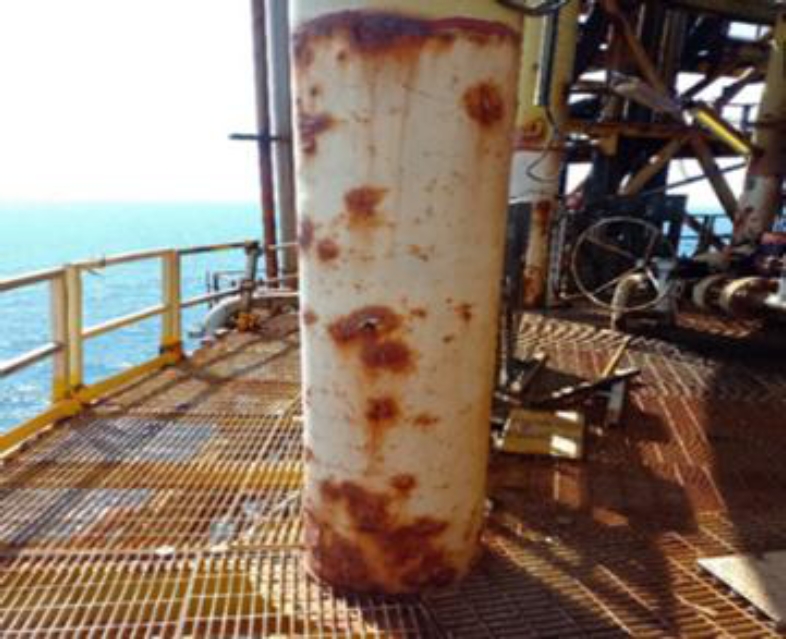
Figure 3. Alveolar corrosion.
It is common in semi-protective film-forming materials or with electrolyte deposition (seawater in suspension), or with the favoring of differential aeration, which consists of a type of corrosion caused by the difference in oxygen concentration in the electrolyte; that is, the higher the concentration, the more cathodic the region will be (ABRACO, 2017).
When material degradation begins in crevices, a concentration pile is formed, similar to the galvanic corrosion process. In this case, there is a difference in the concentration of ions or gases dissolved in the electrolytic solution between two regions of the same metal part, with deterioration in the region where there is a lower concentration of ions or dissolved gases (Callister & Rethwisch, 2020). Gaps are opening a thousandth of a centimeter (01) thick that are conducive to the entry and stagnation of electrolyte. Stagnation occurs between the openings in the metal part, which also serves as a deposit for dirt or corrosion products, providing conditions for dissolved oxygen to be exhausted in a localized way, starting the metal oxidation process in that region. This is possible due to the movement of electrons from electrochemical reactions to adjacent regions of the metal, where they will be reduced. Figure 4 shows this process occurring in a threaded connection along a fire-fighting line.
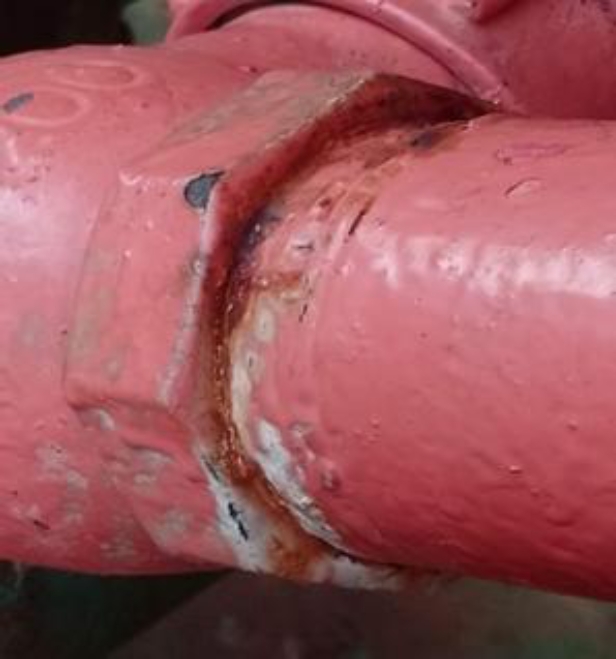
Figure 4. Corrosion in the threaded connection gap of a fire line.
In equipment where the gases produced are released into the atmosphere at high temperatures, the process known as hot corrosion can occur. Hot corrosion is an accelerated process of material deterioration when its surface is at high temperatures in the presence of contaminating salts. In overheated metal structures it is caused by the combined action of metal oxidation and the reaction of the oxide formed with salts (such as sodium and potassium) present in the air or deposited in the hot zones of the equipment. These salts give rise to a molten salt which, when it liquefies, destroys the protective oxide layer; and in cases where these salts combine with sulphur gas from burning fossil fuels, more complex and aggressive compounds are formed (Biava, 2019; Rijeza, 2020).
One of the ways to combat the deleterious effects of corrosion on offshore units is through maintenance teams or maintenance campaigns. Maintenance campaigns are large volumes of work carried out by a floating safety maintenance unit, with investments that can reach 220 million US dollars and are aimed at ensuring and re-establishing the integrity of oil and gas exploration and production platforms to guarantee the safety of people, navigation and environmental protection. However, in the decommissioning process these campaigns stop taking place and there is a reduction in the platform's maintenance teams, causing losses in managing the effects of the degradation of the installation and equipment, which become more severe the longer the unit remains on lease without producing (Agência Nacional de Petróleo, Gás Natural e Biocombustíveis, 2020; Agência Petrobras, 2022).
It should be emphasised that the integrity of ships and offshore platforms is one of the pillars needed to guarantee activities, whether in operation or in the decommissioning phase, and its absence is a cause for concern for oilfield operators, in terms of installation and process safety, social, economic and environmental issues. In addition, problems related to the mechanical integrity of the marine unit can result in delays to the schedule of decommissioning activities, or even make it temporarily impossible to exit the lease (Animah et al., 2016; Palkar & Markeset, 2012).
2. METHODOLOGY
The following is a case study of an oil platform in the process of being decommissioned, located in the Campos Basin, in the south-east of Brazil. The methodology applied to its development sought, through a bibliographical survey, to bring to the reader the types of corrosion that occur in this environment and variables such as human resources, prioritization of activities aimed at decommissioning the offshore unit and delays in the schedule for leaving the lease, which produce scenarios of severe corrosion of structures, equipment and accessories.
2.1 Bibliographic Research
The bibliographic survey considered published works on the shipbuilding industry and corrosion processes, with the aim of gathering information or prior knowledge on the problem of corrosion on offshore platforms undergoing decommissioning. With the aim of providing an up-to-date exploration of the subject, we opted to search for works published between 2017 and 2023; however, due to the relevance of certain older works to the research, they were also considered in this work.
2.2 Data collection
Data on the subject was collected from the Brazilian control bodies, as well as photographic records that would enable the reader to understand more. The data requested on the occurrence of events (accidents, incidents, records of non-conformities and others) dates from January 2015 to December 2021, requested through the Brazilian Federal Government's Access to Information portal and was directed to the operators of exploration and production fields, the Brazilian Navy and the ANP. However, based on the Brazilian Access to Information Law, some requests were not answered.
2.3 Acquisition and processing of data
The data on accidents involving the collapse of structures due to corrosion was obtained from the Oil Workers' Union of Northern Rio de Janeiro - SINDIPETRO NF. The trade union organisation proved to be an option for acquiring data, given the employer's legal obligation to notify the worker's union of accidents. The records collected were reports of accidents at work (CAT) that occurred between January 2015 and December 2021, the aim of which was to identify incidents whose triggering factor was related to corrosion of structures, equipment or fittings. After analysing the events, it was not possible to distinguish accidents whose contributing cause was corrosion of structures, equipment and accessories from those where this cause was not present. Therefore, the data obtained was not used in this research.
Between the end of the second half of 2021 and the first half of 2022, image records were acquired through visual inspection on an offshore platform undergoing decommissioning, which depict the problem of corrosion in offshore units undergoing decommissioning, with an average production time of 25 years, drawing an analogy with the references brought up in this research. The preliminary selection of the inspected locations took into account their proximity to the side, stern, and bow of the offshore platform, which are regions close to the waterline. Areas of dust and moisture accumulation, as well as structures with concentrated loads and different metals in contact, received special attention as they are preferred locations for corrosion development. The engine room was also considered for inspection because it contains fungicide emissions from fossil fuel combustion, chemical vapors, moisture, and salts captured by the ventilation system or from leaks in saltwater pipes that pass through the interior of the environment.
Finally, the choice to inspect an offshore platform in the Campos Basin took into account the largest number of decommissioning processes in Brazil, and the fact that most of its production systems are over 25 years old. In addition, for this work, an offshore unit was considered that was behind schedule in completing the activities necessary to enable removal from the location, which resulted in it remaining in the operating area for a longer period than planned, with a reduction in preservation and maintenance activities, as well as in-house and contracted labor.
3. RESULTS AND DISCUSSION
This section presents records of damage caused by corrosion processes on a platform undergoing decommissioning, as well as proposals for structural recovery or preservation of integrity. However, it is important to emphasize that, in the case of an offshore system undergoing decommissioning, the interest in the integrity of critical safety structures and systems, such as the fire ring, is focused on the safety of people, the installation, and the environment. Thus, the damage recorded is related to structural bonds, structural collapse, structural weakening, and deformations that compromise or may compromise the integrity of the system.
3.1 Structural collapse
The lighting systems of a unit are designed to ensure good visibility in sheltered areas or at night. To ensure the continuity of the services necessary for decommissioning, they must be kept intact and in good working order, at least until the final destination of the offshore platform, unlike what occurs in Figure 5. In both cases, there was corrosion of the flat plate connected to the structure, base of the metal pole, causing severe loss of mass at the base of the poles (A1 and B), as detailed in “A2.” In addition, in “A1,” in the area highlighted in red, there is evidence of severe corrosion at the connection between the equipment support and the metal pole.
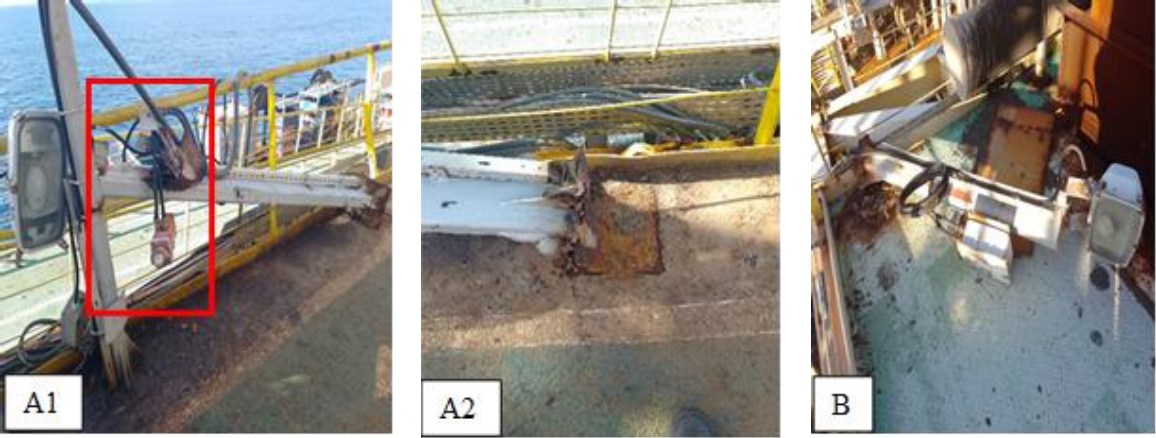
Figure 5. Collapses due to corrosion of the base of metal lighting poles.
Given its importance for the continuity of activities, in order to recover the structure, the areas affected by corrosion (including the floor) must be cleaned by mechanical treatment (using a pneumatic descaler, commonly known as a pneumatic needle scaler, or sander), replacement of the flat plates at the base, and painting. It is important that the weld beads on the base are finished in such a way as to prevent the accumulation of electrolyte and solids.
Below, Figure 6, in the riser receiving area, which is located near the physical boundaries of the offshore unit, “A” shows the corrosion-induced weakening of the cylindrical support of a decommissioned oil line, causing it to rupture and forcing the flanges (details A1 and A2) to support the section of the line. In “B,” the damage was more significant in the regions of the spool weld bead, which tend to accumulate dirt and electrolyte, completely compromising the line's load-bearing capacity, which needed to be shored up with tubular profiles. Considering that in both cases there is no interest in recovering the structure, which has already been decommissioned, the risk of structural collapse can be mitigated by cutting and removing it.
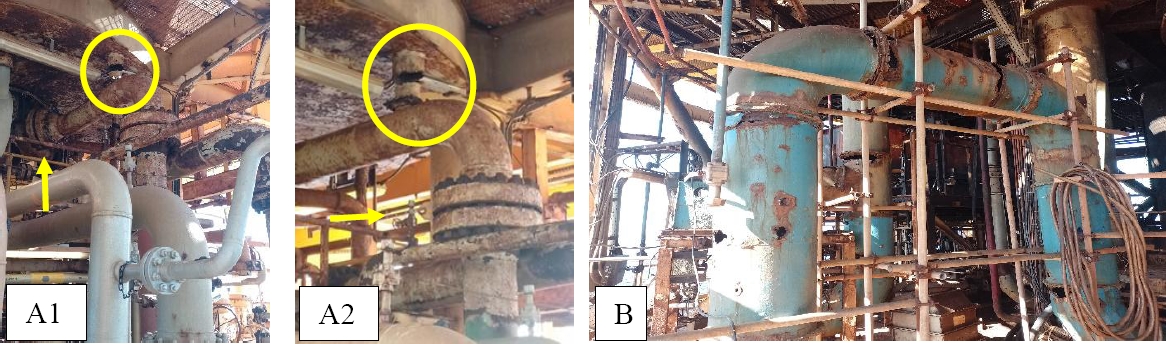
Figure 6. Damage to lines and accessories.
3.2 Deformations
The fire ring, Figure 7, is responsible for the forced flow of water to fight fires in fixed systems, such as deluge, hydrants, manual and automatic cannons. In the section of the fire ring on the main deck of the marine unit, near the side of the platform, lateral buckling and twisting of the “U” profile (records B and C) occurred, which supports the lower generatrix of the section. Although the profile is painted, corrosion is noticeable in the bending region of the flange (record B) welded to the vessel's floor, where there is a concentration of stresses. In the detail shown in “C,” a crack area can be seen in the metal profile, with the rupture occurring at the right end of the “U” profile.
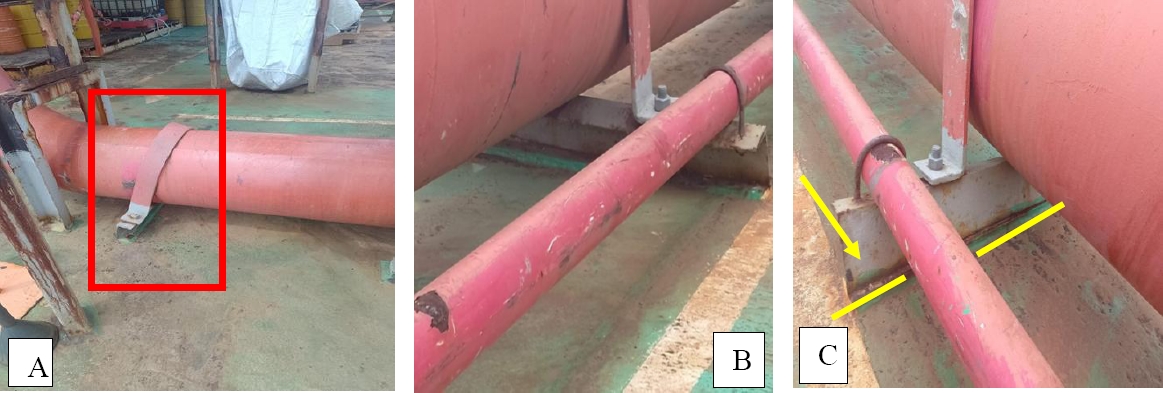
Figure 7. Deformation and crack in metal profile.
To avoid overloading the support by redistributing loads, precisely in the displacement of the section of the line that results in increased stress, the failed structural element can be replaced by another non-metallic support, fixed with epoxy resin, for example.
In the section of the fire ring inside the engine room—an area subject to fungicidal gas emissions (CO, CO2, and H2) from equipment, high temperatures, and humidity—although damage has not yet occurred in registers ‘A’ and ‘B’ in Figure 8, the deformation of the angle iron that supports part of the fire ring section imposes bending stress on the bolt connecting the clamp and angle iron, where the greatest amount of mass loss is observed on the flange in contact with the lower generatrix of the piping. It is important to note that the actions to which the structure is subject are not only due to the weight of the ring section and the water column inside: the forces generated by the transfer of fluid mass and vibrations transmitted by the operation of the fire pumps when the system starts up must also be considered.
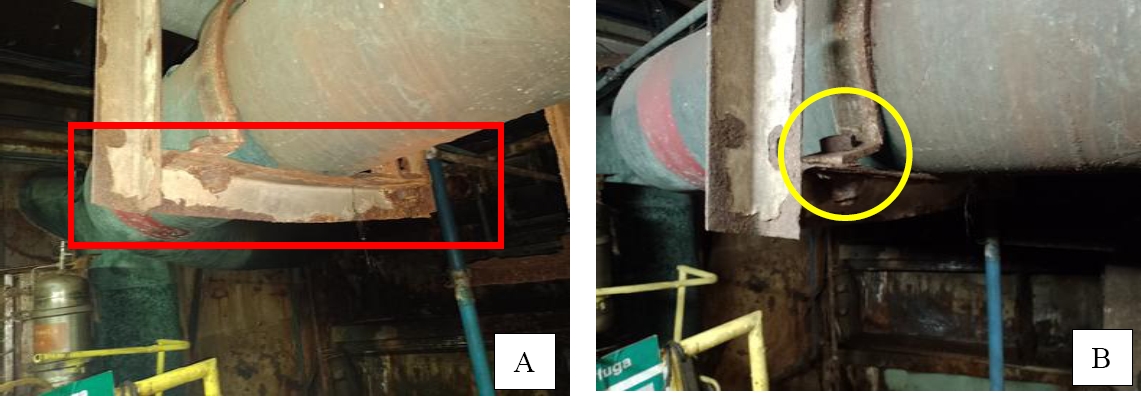
Figure 8. Screw bending and deformation of the angle bracket supporting the spool.
Given the possibility that the plastic patella of the angle iron supporting the detached section of the ring has already formed and the loss of mass has been verified, it is feasible to shore up or suspend the spool using hoists so that the lower angle iron can be replaced. The vertical angle brackets and clamp must be mechanically treated with a pneumatic needle scaler or sander and painted for corrosion protection, as well as the new one to be installed. The connection bolts need to be replaced and a strip of polymeric material must be applied to the inside of the clamp, as well as to the flange of the angle bracket that is in contact with the lower generatrix of the spool.
Closing the topic on deformations, Figure 9 shows the conveyor belt of an offloading line, responsible for its accommodation and transfer, loaded with its own weight, the weight of the trolley (A1, orange arrow) and the weight of the offloading hose, indicated by the yellow arrows at ‘A’ and ‘B’. The structure shows signs of corrosion along its entire length, with the section indicated at B showing the most severe damage. This is because the concentrated load, together with the loss of mass due to excessive proximity to the support region, favoured the phenomenon of crippling of the structure, which can be interpreted as a localised failure caused by the ‘crushing’ of the web.
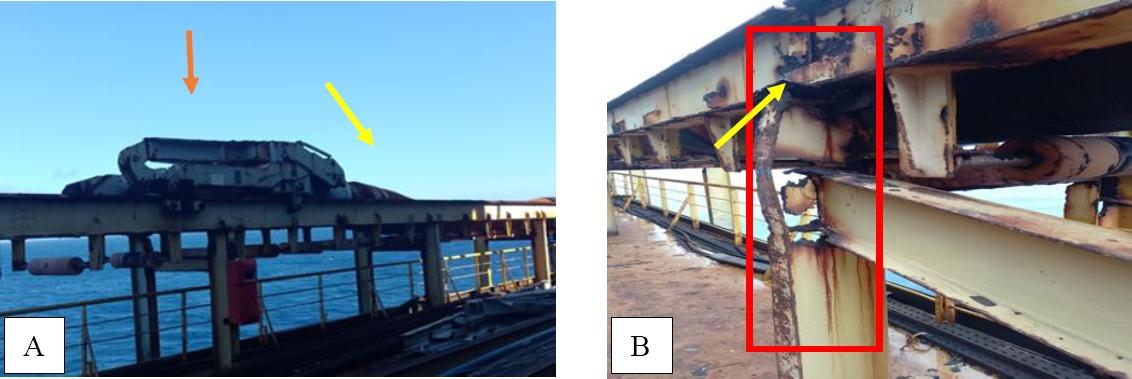
Figure 9. Crippling in the conveyor belt column of an offloading line.
In this case, the decommissioning of the offshore unit is in the stage of cleaning, inspection and repair of the cargo tanks, when necessary. In view of this, offloading operations have been suspended. Therefore, considering the reduction in available manpower and the expectations for removal of the platform from the location, it is recommended to remove the offloading hose, conveyor rollers and trolley, in order to reduce the load on the structure. As for the clipping of the structure, the section of the conveyor belt from the downstream column to the upstream column can be removed, considering the failed column as a reference, reducing the consumption of man-hours worked for the planning and execution of the activity.
3.3 Degradation of structural connections
Connections in metal structures are areas that deserve close attention in extremely aggressive environments. These are areas that, when designed abnormally, i.e., without finishing or openings that prevent the accumulation of solids and water in crevices, are prime locations for corrosion to occur. In Figure 10, the truss structure receives loads from part of the floor of a production module and equipment on it. In the first detail highlighted, A, the top of the vertical bar, unlike the original configuration, remains restricted to vertical displacement only. In ‘B’, the node at the base of the structure highlighted, the loss of mass due to the advanced corrosion process resulted in the loss of the bond at the lower end of the diagonal, allowing the displacements proposed by the arrows drawn in ‘B’. To mitigate the problem, tubular profiles were used to prevent displacements in the structure.
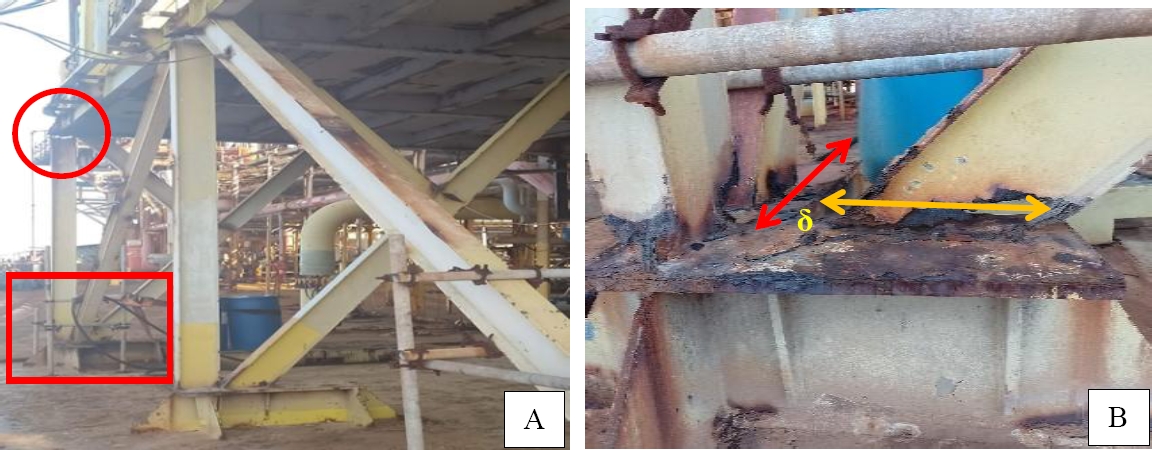
Figure 10. Degradation of welded connections and changes in structural bonds.
In order to prevent the overall collapse of the structure, it is necessary to carry out the service design for: cutting the segments with mass loss; mechanical treatment of the top base region and other necessary points; replacement and welding of the removed segments, paying attention to the weld bead finishes that favour water drainage; painting and application of hydrophobic coating on the truss nodes.
Similar to what occurred in Figure 10, the space truss located in the middle of the offshore platform, Figure 11, upper deck, shows almost total degradation of the node at a high height of the space truss, formed by welded profiles. One of the functions of this structure, formed by welded H-profiles, is to receive the loads transmitted by equipment on the grating floors. In this case, tubular profiles were also installed to prevent the node from shifting. To eliminate the risk of global collapse of the structure and the possibility of damage to people and equipment, as well as to the environment, the same process suggested in Figure 10 can be applied.
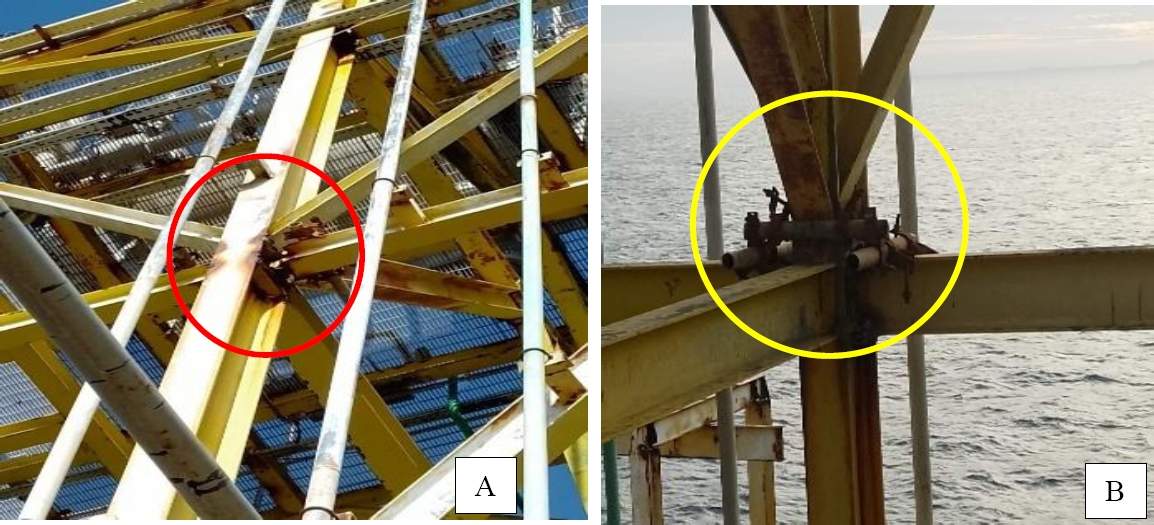
Figure 11. Local failure in the spatial truss node due to excessive mass loss caused by corrosion. Figure 1.
3.4 Damage to floor plates, grates and beams
The plates used for floors on decommissioned platforms are also subject to corrosion, as shown in Figure 12. As a palliative solution, loose metal plates were placed on the floor, which does nothing to prevent the advance of widespread corrosion and loss of mass, responsible for the opening of cracks in the module floor plate. This situation can become a real trap for users, who, unaware of the extent of the damage to the structure, will have their perception of risk reduced due to the false sense of security conveyed. Therefore, it is essential to assess the extent of the damage caused by generalized corrosion, removing and replacing areas with significant loss of mechanical strength, in addition to performing mechanical treatment and painting.
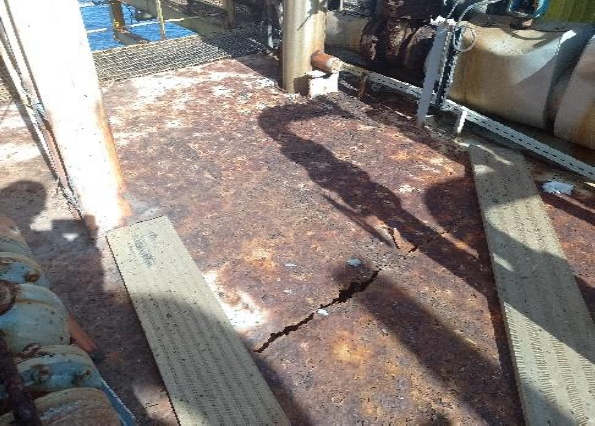
Figure 12. Effects of corrosion on metal floors and beams.
It should be noted that covering the module floor with aluminum sheets without performing the appropriate treatment will make it difficult to visualize the progress of the corrosive process and, consequently, to satisfactorily assess the structural safety of the floor and structures connected to it.
Figure 13 also reports problems involving the structure's floor, but this time related to grating floors. In the first record, A, there was total degradation of the flanges and part of the web of the continuous beam, which receives the loads transmitted by the grating floor. With the damage caused by corrosion in the weld area, only part of the web area remains attached to the frame. In the second case, B, there was degradation of the weld between one of the landing beams and the adjacent beam. As a result, the ends of the profiles, where the connection was broken (the parts are only touching), now behave as ‘free’, allowing vertical and transverse displacements, as detailed in ‘B’. As a secondary effect, twisting may occur in the landing and step grating, producing tensile stresses in the fastening clamps of the landing floor grating and twisting in the bolts connecting the beams and steps.
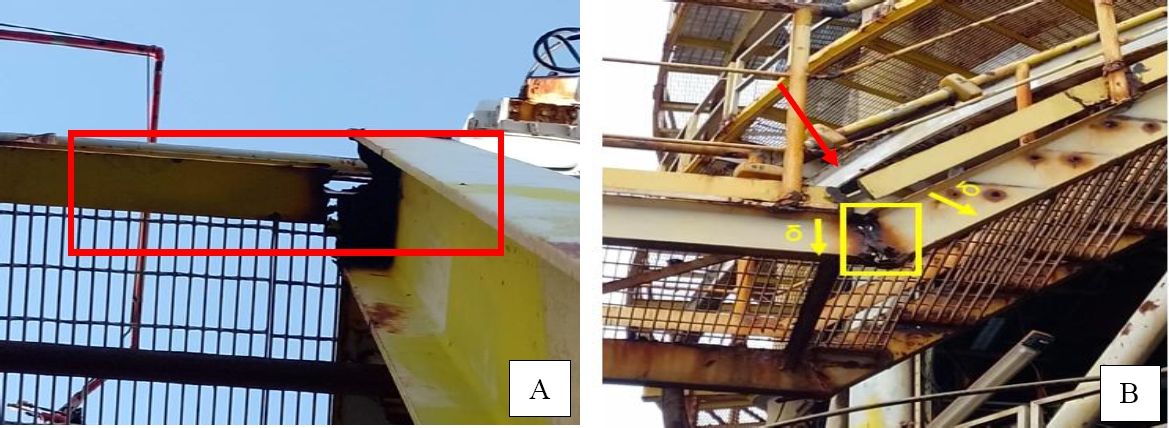
Figure 13. Corrosion failure at the beam-column (A) and beam-beam (B) intersections.
While record ‘B’ will require removal of the affected section, mechanical treatment, replacement of the removed part and painting; in ‘B’ it is possible to adopt structural reinforcement, after adequate treatment of the corrosion, by gluing or welding flat plates and/or angle irons to the web and/or flange of the beams, according to the analysis made by the designer, taking the necessary care in the finish to avoid water accumulation at the intersections of the structures.
3.5 Puncture in corroded structure
Some damage to metal structures occurs outside the field of vision of facility users, as they are in places that are difficult to access or at high altitudes, such as the case of the “witch's hat” over the hot gas discharge opening of an offshore turbomachine, as shown in Figure 14. In this case, the heated gases produced by the combustion of fossil fuel in the turbo compressor triggered the process of hot corrosion in the equipment's exhaust, producing widespread corrosion and reducing the mechanical strength of the material. The consequence of this was a puncture in the shell (B), which had to be removed (C) so that wind loads would not blow it onto people and equipment on the oil platform.
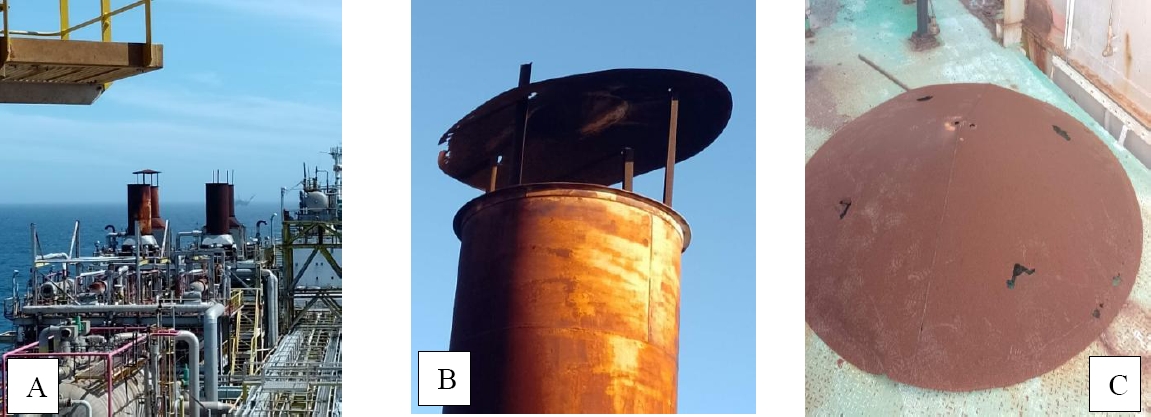
Figure 14. Puncture in metal shell.
Although the assessment of the integrity of elements such as the “witch's hat” is hampered by its location, it is possible to use drones with cameras to view and assess damage to structures such as this.
4. CONCLUSIONS
The decommissioning of offshore units is a complex activity that requires the interaction of various areas of engineering and raises certain concerns among operators of exploration and production fields. This concern is not only due to the high costs involved in the process, but also to schedule delays, environmental issues, structural integrity, and industrial safety. This paper addressed the issue of loss of structural integrity or failures, both of which are the result of corrosion processes in an extremely aggressive environment on oil and natural gas exploration and production platforms, resulting in structural collapse, deformation, loss of structural connections, and the emergence of stresses not considered in the normal operation of the structures, which can cause serious problems in the routine operation of the offshore unit.
Visual inspections of parts, accessories, and structures revealed the severity of the corrosion process in an extremely aggressive environment, intensified by the decommissioning phase of the offshore unit. As a result, there are risks of structural collapse and the possibility of harm to workers and the environment, which must be controlled to avoid consequences resulting from workplace accidents. Such incidents can cause delays in the decommissioning schedule of the offshore unit due to pending issues imposed by regulatory agencies, embargoes or interdictions, as well as legal proceedings related to compensation claims and the repair of workers' physical integrity.
Finally, considering the importance of protecting the integrity of workers and preventing accidents and incidents on the offshore platform being decommissioned, it is essential to maintain actions aimed at controlling corrosive processes, recovering structures or, when necessary, removing them, if these do not generate negative impacts on activities essential to decommissioning. Thus, to prevent undesirable events from occurring in these units, it is essential to train and maintain teams specialized in analyzing risks associated with corrosive processes, as well as to implement control measures that act as barriers to eliminate or minimize the risks inherent in these accident scenarios. These actions are crucial to prevent damage to the health of workers, the environment, and the company's assets, in addition to safeguarding its image before investors and competent authorities.
5. REFERENCES
ABRACO (2017). Corrosão - uma abordagem geral. Revista Corrosão & Proteção. http://paginapessoal.utfpr.edu.br/israel/teoria/Teoria%20-%20Corrosao.pdf
Agência Nacional do Petróleo, Gás Natural e Biocombustíveis (2023). Painel dinâmico: produção de petróleo e gás natural. Agência Nacional do Petróleo, Gás Natural e Biocombustíveis. https://app.powerbi.com/view?r=eyJrIjoiNzVmNzI1MzQtNTY1NC00ZGVhLTk5N2ItNzBkMDNhY2IxZTIxIiwidCI6IjQ0OTlmNGZmLTI0YTYtNGI0Mi1iN2VmLTEyNGFmY2FkYzkxMyJ9
Agência Nacional do Petróleo, Gás Natural e Biocombustíveis (2020). Relatório de Investigação: Investigação do Acidente na FPSO Cidade do Rio de Janeiro. https://www.gov.br/anp/pt-br/assuntos/exploracao-e-producao-de-oleo-e-gas/seguranca-operacional/incidentes/relatorios-de-investigacao-de-incidentes-1/relatorioinvestigaoFPRJfinal.pdf
Agência Petrobras (2023). Petrobras vai investir US$ 18 bilhões na Bacia de Campos até 2027Agência Petrobras. https://agencia.petrobras.com.br/pt/negocio/petrobras-vai-investir-us-18-bilhoes-na-bacia-de-campos-ate-2027-10-08-2023/
Agência Petrobras (2022). Plataformas da Bacia de Campos passam por serviços de manutenção com uso de Hotéis flutuantes. Agência Petrobras. https://agencia.petrobras.com.br/pt/institucional/plataformas-da-bacia-de-campos-passam-por-servicos-de-manutencao-com-uso-de-hoteis-flutuantes-08-08-2022/
Almeida, E., Colomer, M., Vitto, W. A., Nunes, L., Botelho Tavares, F., Costa, F., Filgueiras, R. (2017). Regulação do Descomissionamento e seus Impactos para a Competitividade do Upstream no Brasil.
Animah, I., Shafiee, M., Simms, N. (2016). Techno-economic feasibility assessment of life extension decision for safety critical assets. In Risk, Reliability and Safety: Innovating Theory and Practice (pp. 1248–1255). CRC Press. https://doi.org/10.1201/9781315374987-188
ASTM International. (2019). ASTM A131/A131M Standard Specification for Structural Steel for Ships (ASTM International, Ed.). ASTM International. DOI: https://doi.org/10.1520/A0131_A0131M-19
Ballesteros, A. F., Bott, I. de S., Ponciano, J. A. C. (2009). Avaliação da resistência de juntas soldadas circunferenciais de aço api x-80 à corrosão sob tensão e susceptibilidade à fragilização por hidrogênio. ABM Proceedings, 2099–2110. https://doi.org/10.5151/2594-5327-14975
Biava, G. (2019). Estudo da resistência à corrosão a baixa e alta temperatura de revestimentos PVD depositados em uma superliga de níquel, Masters Thesis, Universidade Tecnológica Federal do Paraná]. http://repositorio.utfpr.edu.br/jspui/handle/1/4715
Callister, W. D. Jr., Rethwisch, D. G. (2020). Ciência e engenharia de materiais - uma introdução. (10th ed., Vol. 1). LTC.
Costa, W. M. da. (2019). A Petrobrás e a indústria de petróleo no Brasil: geopolítica e estratégia nacional de desenvolvimento. Confins, 39. https://doi.org/10.4000/confins.17645
da Silva, R. S. L., Mainier, F. B. (2009). O descomissionamento aplicado às instalações offshore de produção de petróleo sob a visão crítica ambiental. VI Simpósio de Excelência Em Gestão e Tecnologia - SEGeT, 1–12.
de Brito, G., Gordo, J. M. (2004). Tecnologia de Construção Naval: materiais metálicos, Apostila de Aula. Universidade de Lisboa.
de Souza, K. A, da Silva, L. C., Pedrosa, L. F., Barbosa, L. C. M., Costa, N. O., Loureiro, T. Y. C., de Souza Jacques, T. M. (2021). Descomissionamento offshore no Brasil: oportunidades, desafios & soluções. Cadernos FGV Energia, 8(11). https://fgvenergia.fgv.br/publicacao/descomissionamento-offshore-no-brasil
Gentil, V. (2017). Corrosão. Rio de Janeiro, RJ: LTC Editora
Herrera Anchustegui, I., Eskeland, G. S., Skjeret, F., Melnychenko, M., Lødøen, J., Brown, H. H., Lund, L. E. C. (2021). Understanding decommissioning of offshore infrastructures: A legal and economic appetizer. SSRN Electronic Journal. pp. 05-07 https://doi.org/10.2139/ssrn.3882821
International Standard. (2012). ISO 9223 (EN): Corrosion of metals and alloys - Corrosivity of atmospheres - Classification, determination and estimation. International Organization for Standardization.
International Standard. (2017, November). ISO 12944-2 [Second edition]: Paints and varnishes - Corrosion protection of steel structures by protective paint systems - Part 2: Classification of environments Peintures et vernis — Anticorrosion des structures en acier par systèmes de peinture - Partie 2: Classification des environnements. International Organization for Standardization.
Misra, S. C. (2016). Design principles of ships and marine structures (Vol. 1). CRC Press.
M’Pusa, J. B. (2017). Descomissionamento de plataformas marítimas: estudo comparativo dos casos Reino Unido e Brasil, Trabalho de Conclusão de Curso. Universidade Federal Fluminense. https://app.uff.br/riuff/handle/1/4098
Oudenot, E., Whittaker, P., Vasquez, M. (2017). Oudenot, E., Whittaker, P., & Vasquez, M. (2017). The North Sea’s $100 billion decommissioning challenge. https://web-assets.bcg.com/img-src/BCG-The-North-Seas-%24100-Billion-DecommissioningChallenge-Mar-2017_tcm9-149950.pdf
Palkar, S., Markeset, T. (2012). Extending the Service Life Span of Ageing Oil and Gas Offshore Production Facilities. pp. 213–221. https://doi.org/10.1007/978-3-642-33980-6_25
Pannoni, F. D. (2015). Princípios da proteção de estruturas metálicas em situação de corrosão e incêndio. (6th ed.). Gerdau.
Rijeza. (2020, October). Corrosão e oxidação em alta temperatura. Rijeza Metalurgia. https://rijeza.com.br/wpcontent/uploads/2020/10/1530721009oxidacao_e_corrosao_em_altas_temperaturas.pdf
Stacey, K., & Livsey, A. (2016, June 13). O petróleo do Mar do Norte: a desativação de 38 mil milhões de euros. Diário de Notícias. https://www.dn.pt/dinheiro/o-petroleo-do-mar-do-norte-a-desativacaode-38-mil-milhoes-de-euros-5224750.html
Usiminas. (2020). Chapas Grossas. Catálogo Técnico Usiminas. https://www.usiminas.com/wp-content/uploads/2020/01/CAT.-CHAPAS-GROSSAS-PORT_v3-1.pdf
Zeemann, A. (2013). Corrosão em Juntas Soldadas. http://www.infosolda.com.br/artigos/metsol08.pdf